Tamron or Sigma Lens?

This question came in from Terry:

I’m completing my “final” travel equipment which is the do-it-all lens for my R7.  I picked up the R7 recently by selling several of my way-to-heavy EF lens (ended up with a gift card of $250 bonus in addition to the R7).  Now I need to get the RF lens.  

Have you heard any comparisons between the Sigma and Tamron.  I’m looking through B&H, Adorama and DPReview which are my go to’s.

With the EF versions, I had ended up preferring the Tamron.  It didn’t last as long as a Canon lens, but I didn’t treat it as gently getting in and out of the buses. ~~~ Terry

I love the R7. It’s a really nice camera with a lot of great features.

I’d get the RF-S lenses before the Tamron or Sigma. I’ve used the RF-S 24-105mm and was impressed. Same with the 100-400mm. The RF-S 18-150mm might be what you want. Take a look.
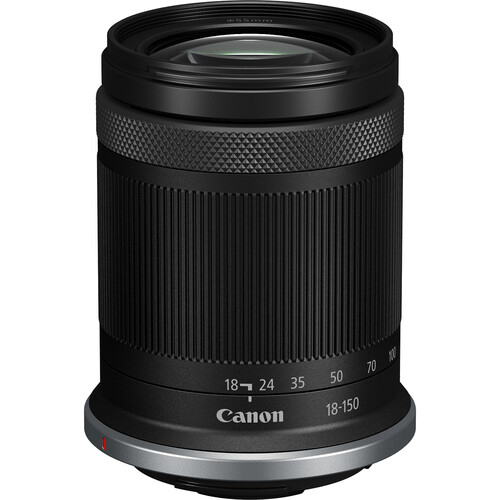
I’d recommend the Canon lenses first because of the complex electronics. Yes, I know Tamron and Sigma are “just as good” but Canon is always going to be better.

That said, you’re looking for a lens with a lot of range. I use two lenses where you’re looking for one that does it all.

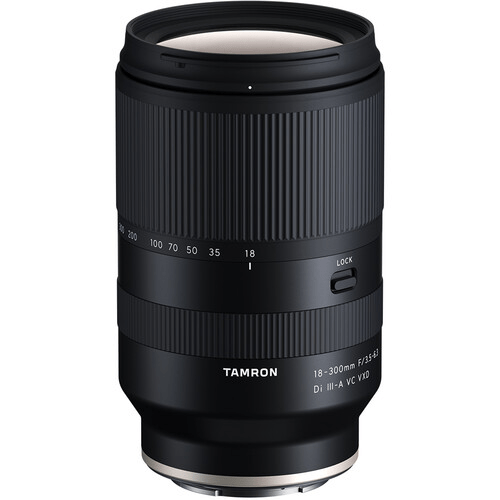
Tamron 18-300mm is $629. It has a 29-480mm equivalent view. That means the wide is not really very wide. You’d use this more for the reach or for things that were further away. Minimum focusing distance is 6 inches so that’s not bad. Weighs 21.9 ounces. I’m curious how long it gets when you zoom out to 300mm?
Sigma 16-300mm is $694. It has 24-450mm equivalent view. That means the wide is enough to photograph the interior of a room. More to my liking that the 29mm view in the Tamron. Not as much reach as the Tamron but I’d take the extra width over the extra reach. Minimum focusing distance is 3.44 feet. Weight is 21.7 oz.
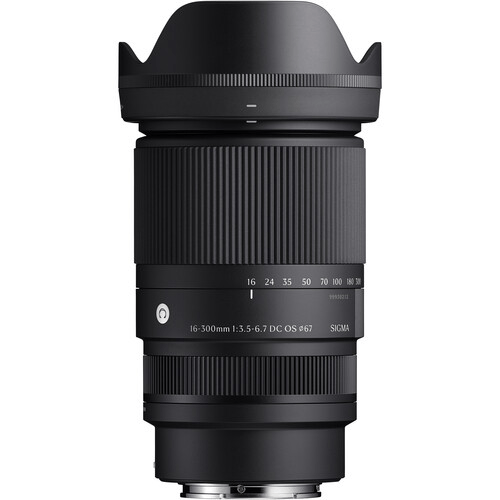
So in conclusion, these lenses are pretty compatible.  I think you can’t go wrong with either.  I’d use the added width of the Sigma more on the photo tours.  A 24mm view is great for interiors.  The other is a bit narrow for my tastes. 

Durability is an issue.  I’ve heard people say the Tamron didn’t last as long as they wanted.  I used to own a Tamron so I guess I was listening for that feedback.  I’ve never owned a Sigma so haven’t listened for feedback on that one. 

I hope this helps. 

Any readers have experience with either lens? Can you provide feedback? Your actual experience with one of these lenses could help.
Photographing Moths at Night: Ring Light

– I got the set-up to take moth pics on my back porch (like they were using at Bracken cave that night). I got the extension tubes you suggested and they work great. At home I can sit in one of my deck chairs and put a spotlight between my legs and shine it on the moth for lighting.

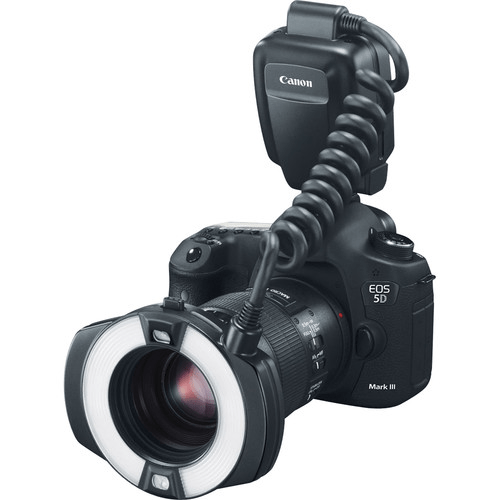
Someone mentioned a ring light that goes around the lens that provides light. I have the Canon EOS R7. Would that work on my camera and if so which would you recommend? If I am at an event like that night at Bracken I will need a light source attached to my camera in some capacity.

My Answer: So glad that you like the extension tubes.  They are a wonder to have!!

You can use the flashlight to illuminate the moths.  You can use a flash like the Canon EL-5 ($329). 

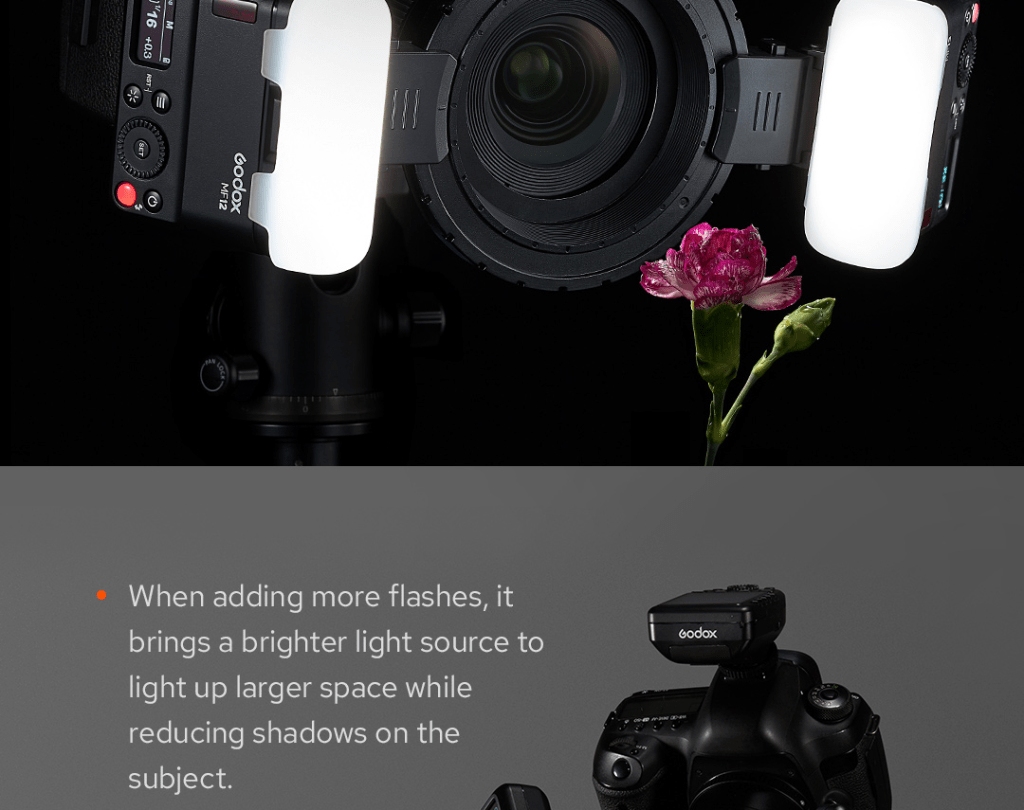
There’s also the Macro Ring Light MR-14EX II ($589) that fits on the front of the lens.  This gives a more uniform light since the light is coming from the front of the lens versus the top of the camera.  (See example below)

Godox has a ring light, also.  It runs $289.  I’ve never used it but the Godox flashes seem to be pretty compatible with Canon cameras. 

There’s also the two light systems.  Godox has the MF12-K2 Macro Flash Kit for $249.  There are two tiny flashes on the font of the lens.  This allows you to angle the individual flashes for more natural lighting.  Canon has a similar system, Macro Twin Lite MT-26EX-RT but it runs $1079. 

So there’s flashlight illumination method.  The ring light or the two macro flash kits.  Each has its positives and negatives. 

I hope that helps. Post questions or experiences with these products below.

Moths photographed by John Tveten using a basic ring flash. The Book of Texas Moths from Texas A&M University Press by Gary Clark and Kathy Adams Clark with photographs by John Tveten.

Join me for my Macro Photography: Master Class Online
Nov 11, 18, 25, and Dec 2, 2025 7-8:50pm central Register

Which Lenses for Canon R10?

I took your Mastering the Manual class in June, and you mentioned that you would be open to making lens suggestions via email. I’ve been researching, and I’m still at a loss. I would appreciate any suggestions you have. 

I’m a complete beginner (the manual mode class was terrific!).

I have a Canon R-10 with two lenses: 18-45mm (standard kit lens) and 55-210mm f5-7.1

Two primary areas where I’d like to use my Canon (rather than my iPhone camera).

– High School Marching Band – shooting often in evenings or in gymnasiums/stadiums in low light, quick movement. I’d love to focus on the kids (with bleachers and backgrounds blurred out) and catch movement of the Band and Guard. I’m also doing a lot of candids (up-close of kids’ faces) in the stands for social media content. 

– Work – I work for a nonprofit in communications. We just use our iPhones for most things, but I’d love to start adding better photos with my camera. A lot of group shots of people (mostly indoors, occasional outdoors). We also do a couple of big events in the evening indoors with low light.

Other band photographers are telling me I need the Canon RF 70-200mm f2.8. I’m seeing a range of pricing from $2800 to $4,000 for that kind of lens. At my level of photography and my camera, I’m not ready to make that kind of financial investment. 

I know from the manual mode class I need a lens with a larger f-stop. Any f2.8 lens that are more reasonably priced that would work for a beginner in the two scenarios above? Ideally, I’d like to spend less than $1,500. 

I appreciate any guidance. I’m not sure I’m ready for the Lens class you teach at Precision, but if it’s offered in the future, I hope to register. — Erica

My Answer: Let’s get real on your lens choice.  

Canon is putting out a series of moderately priced lenses for the R10 and R7 cameras.

The RF100-400mm f/5.6-8 IS is only $700.  That would be great for your band photos.

The RF 24-105mm f4-7.1 is reasonable, too.  Only $429.

These two lenses would put you in great standing with your camera.  I’ve used both.  They are not your top of the line Canon lenses but they are VERY good.  

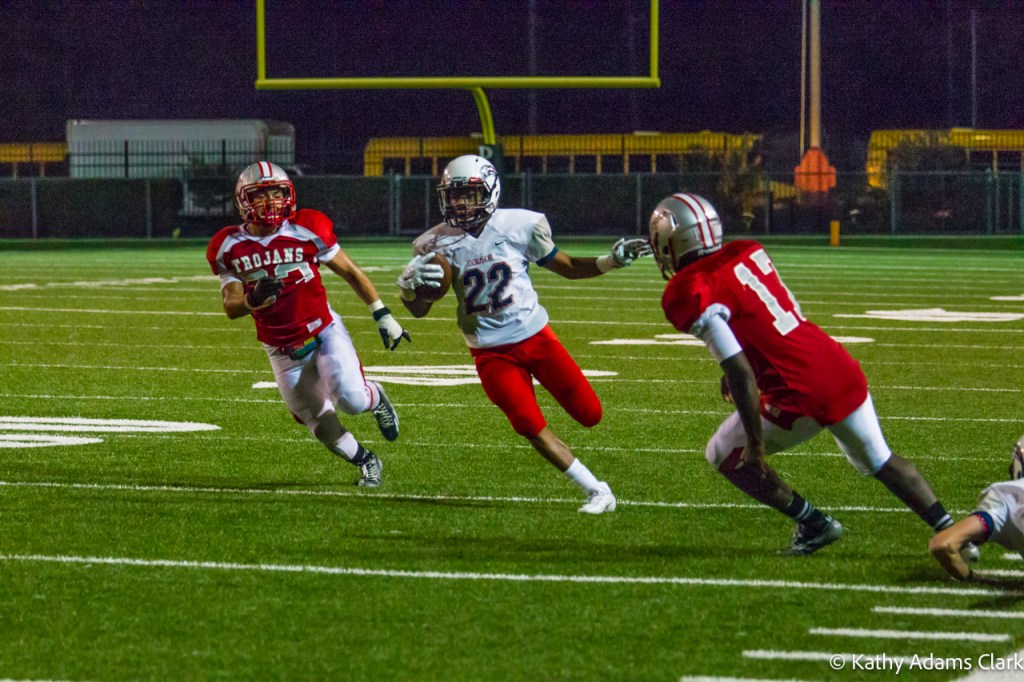
Photographed with an fstop of 5.6

Your R10 has nice high ISO so you don’t need the 2.8 lenses.  Those were needed when we didn’t have exceptional high ISO or software to process high ISO.

The reality, too, is you’re never going to blur the background from the bleachers.  You need to be down on the field to do that.  You can blur the background, though, for your candids of the students in the bleachers during the game.  Either lens will do a great job.

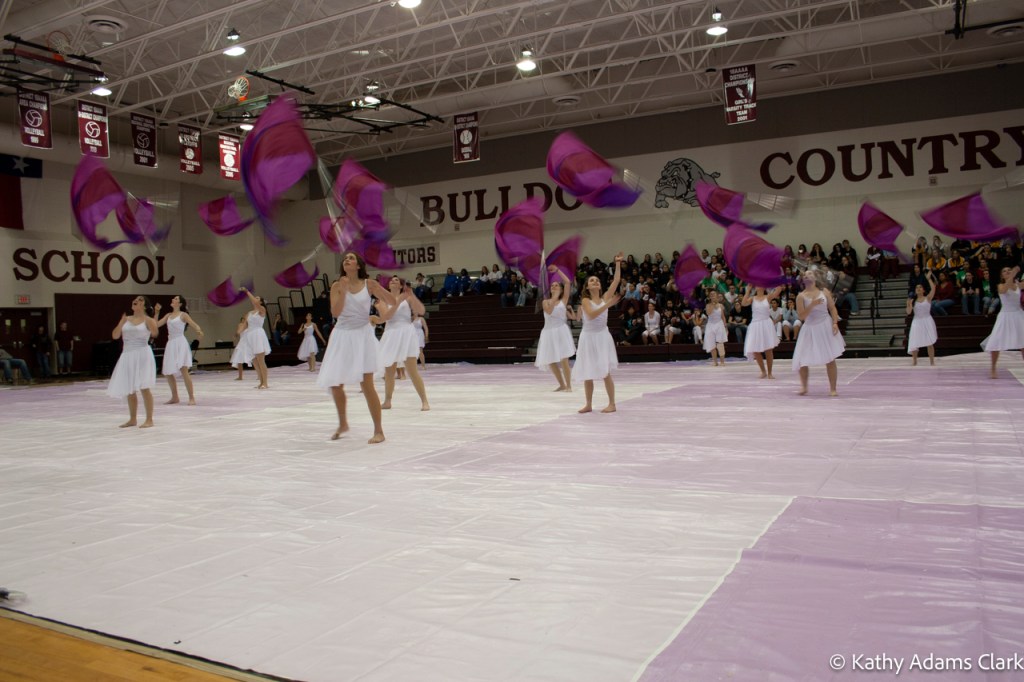
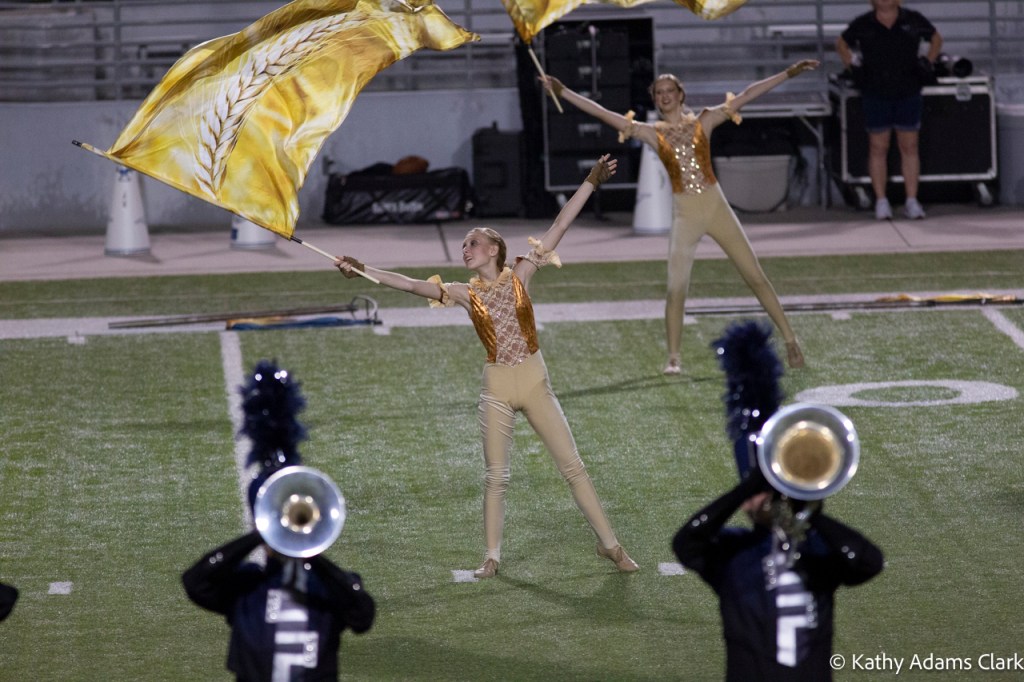
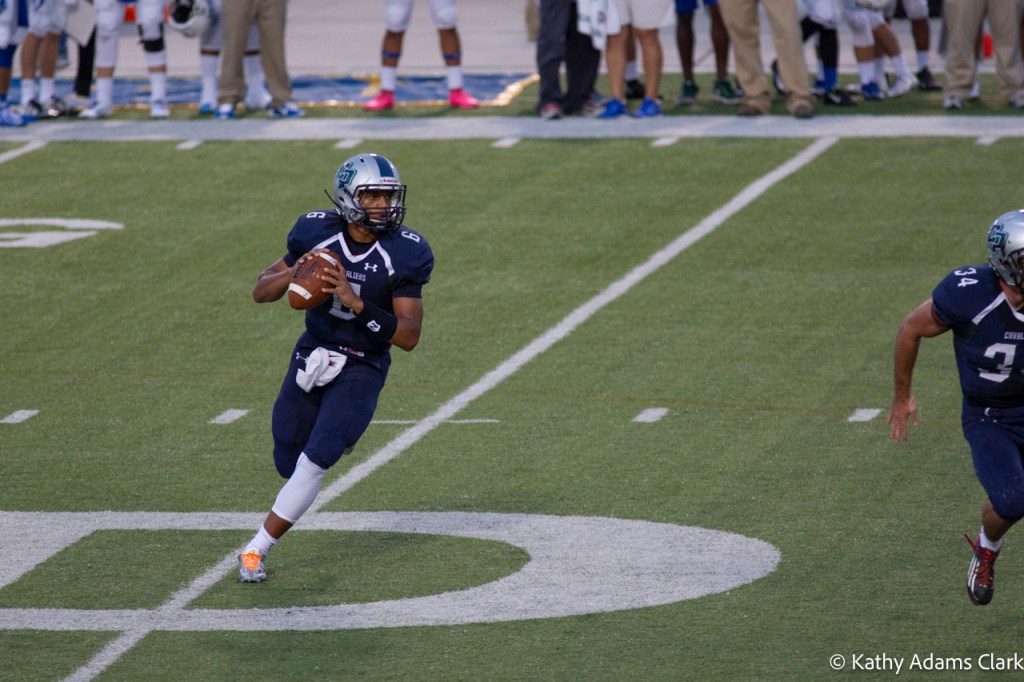
In all the photos below, I used a fstop of 5.6.