Photographing Moths at Night: Ring Light

– I got the set-up to take moth pics on my back porch (like they were using at Bracken cave that night). I got the extension tubes you suggested and they work great. At home I can sit in one of my deck chairs and put a spotlight between my legs and shine it on the moth for lighting.

Someone mentioned a ring light that goes around the lens that provides light. I have the Canon EOS R7. Would that work on my camera and if so which would you recommend? If I am at an event like that night at Bracken I will need a light source attached to my camera in some capacity.

My Answer: So glad that you like the extension tubes.  They are a wonder to have!!

You can use the flashlight to illuminate the moths.  You can use a flash like the Canon EL-5 ($329). 

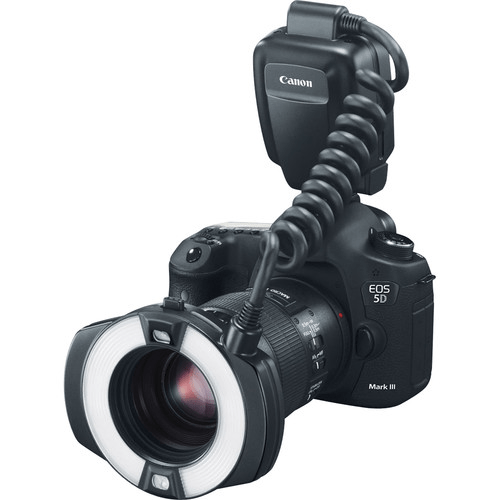
There’s also the Macro Ring Light MR-14EX II ($589) that fits on the front of the lens.  This gives a more uniform light since the light is coming from the front of the lens versus the top of the camera.  (See example below)

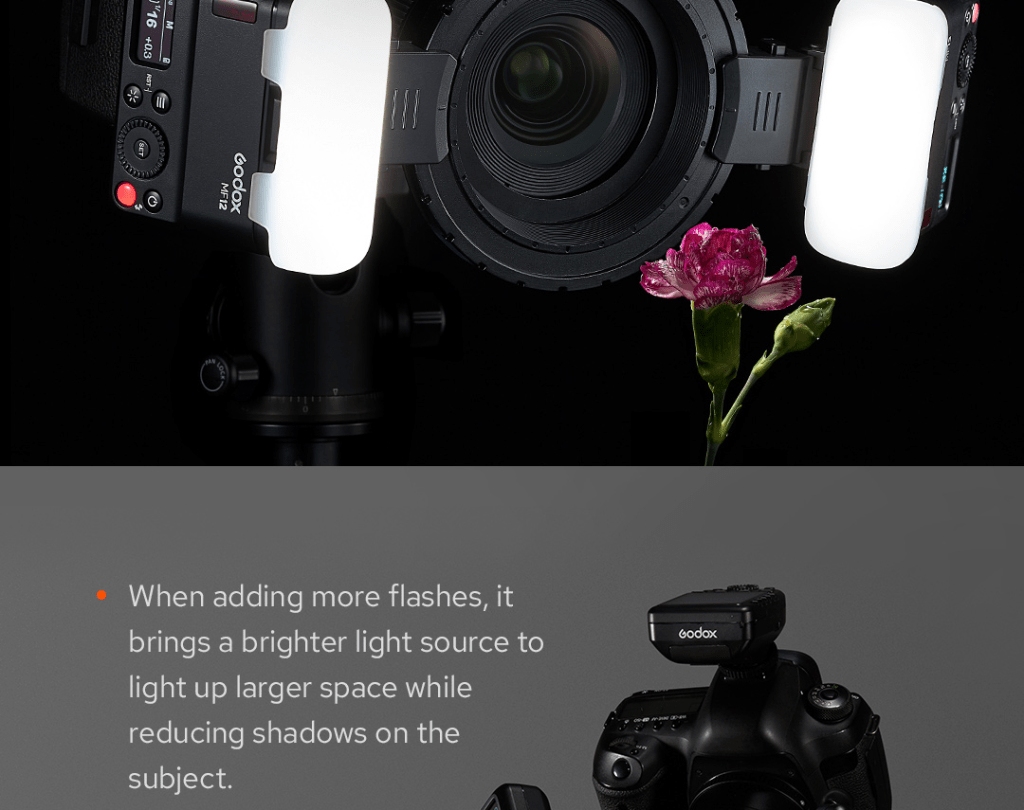
Godox has a ring light, also.  It runs $289.  I’ve never used it but the Godox flashes seem to be pretty compatible with Canon cameras. 

There’s also the two light systems.  Godox has the MF12-K2 Macro Flash Kit for $249.  There are two tiny flashes on the font of the lens.  This allows you to angle the individual flashes for more natural lighting.  Canon has a similar system, Macro Twin Lite MT-26EX-RT but it runs $1079. 

So there’s flashlight illumination method.  The ring light or the two macro flash kits.  Each has its positives and negatives. 

I hope that helps. Post questions or experiences with these products below.

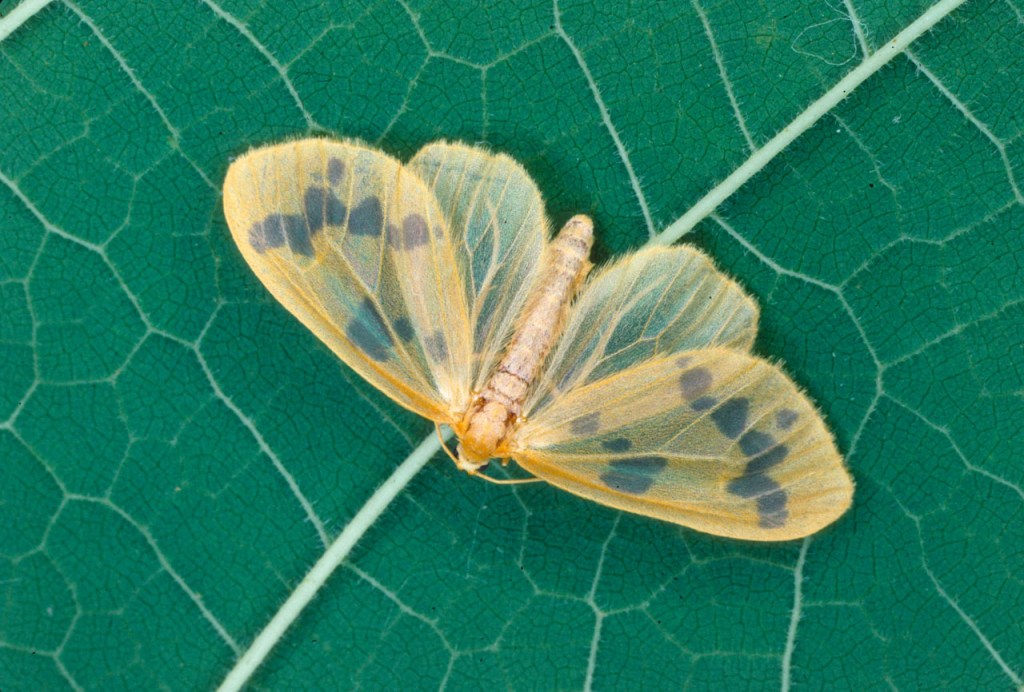
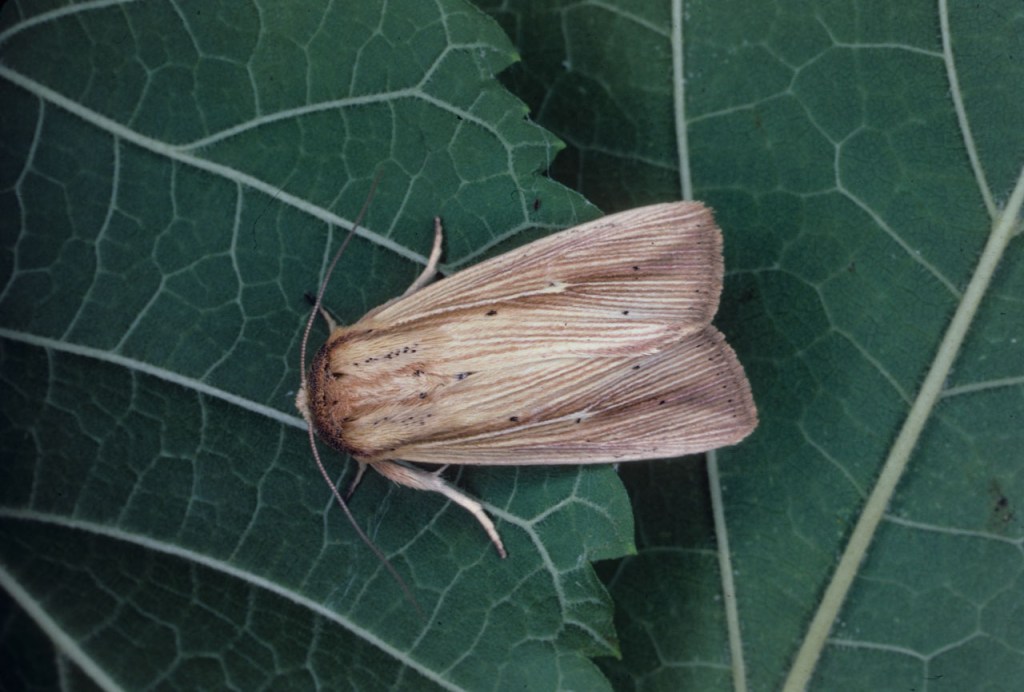
Moths photographed by John Tveten using a basic ring flash. The Book of Texas Moths from Texas A&M University Press by Gary Clark and Kathy Adams Clark with photographs by John Tveten.

Join me for my Macro Photography: Master Class Online
Nov 11, 18, 25, and Dec 2, 2025 7-8:50pm central Register

Which Lenses for Canon R10?

I took your Mastering the Manual class in June, and you mentioned that you would be open to making lens suggestions via email. I’ve been researching, and I’m still at a loss. I would appreciate any suggestions you have. 

I’m a complete beginner (the manual mode class was terrific!).

I have a Canon R-10 with two lenses: 18-45mm (standard kit lens) and 55-210mm f5-7.1

Two primary areas where I’d like to use my Canon (rather than my iPhone camera).

– High School Marching Band – shooting often in evenings or in gymnasiums/stadiums in low light, quick movement. I’d love to focus on the kids (with bleachers and backgrounds blurred out) and catch movement of the Band and Guard. I’m also doing a lot of candids (up-close of kids’ faces) in the stands for social media content. 

– Work – I work for a nonprofit in communications. We just use our iPhones for most things, but I’d love to start adding better photos with my camera. A lot of group shots of people (mostly indoors, occasional outdoors). We also do a couple of big events in the evening indoors with low light.

Other band photographers are telling me I need the Canon RF 70-200mm f2.8. I’m seeing a range of pricing from $2800 to $4,000 for that kind of lens. At my level of photography and my camera, I’m not ready to make that kind of financial investment. 

I know from the manual mode class I need a lens with a larger f-stop. Any f2.8 lens that are more reasonably priced that would work for a beginner in the two scenarios above? Ideally, I’d like to spend less than $1,500. 

I appreciate any guidance. I’m not sure I’m ready for the Lens class you teach at Precision, but if it’s offered in the future, I hope to register. — Erica

My Answer: Let’s get real on your lens choice.  

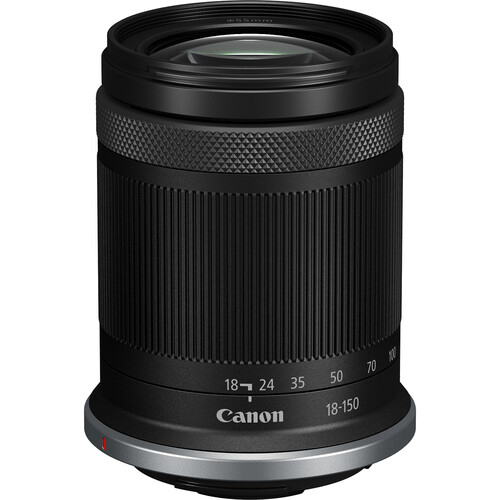
Canon is putting out a series of moderately priced lenses for the R10 and R7 cameras.

The RF100-400mm f/5.6-8 IS is only $700.  That would be great for your band photos.

The RF 24-105mm f4-7.1 is reasonable, too.  Only $429.

These two lenses would put you in great standing with your camera.  I’ve used both.  They are not your top of the line Canon lenses but they are VERY good.  

Photographed with an fstop of 5.6

Your R10 has nice high ISO so you don’t need the 2.8 lenses.  Those were needed when we didn’t have exceptional high ISO or software to process high ISO.

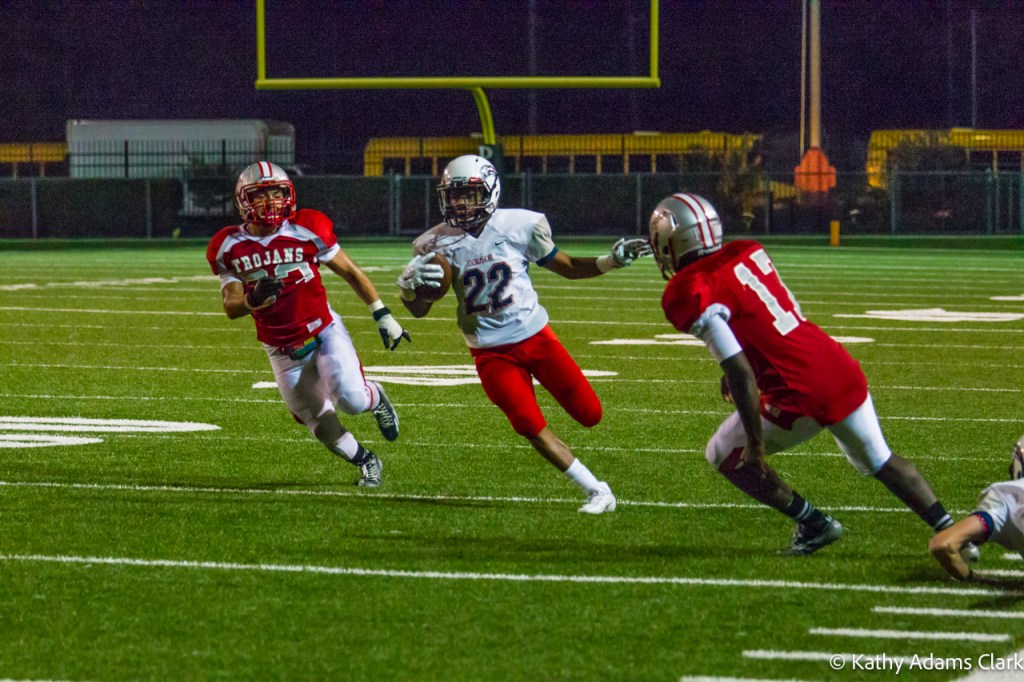
The reality, too, is you’re never going to blur the background from the bleachers.  You need to be down on the field to do that.  You can blur the background, though, for your candids of the students in the bleachers during the game.  Either lens will do a great job.

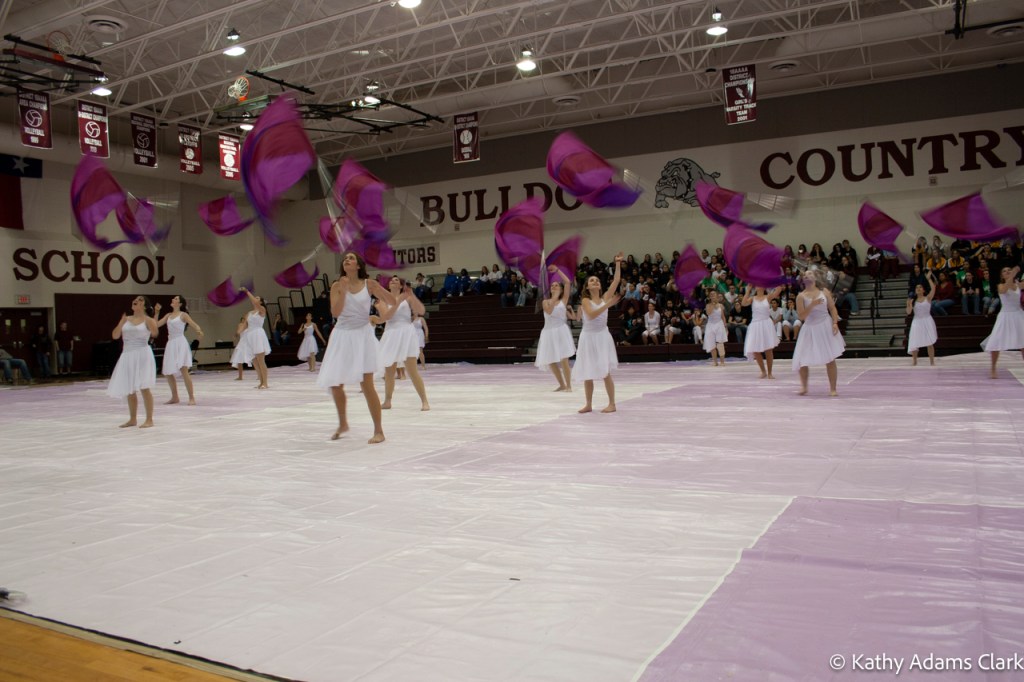
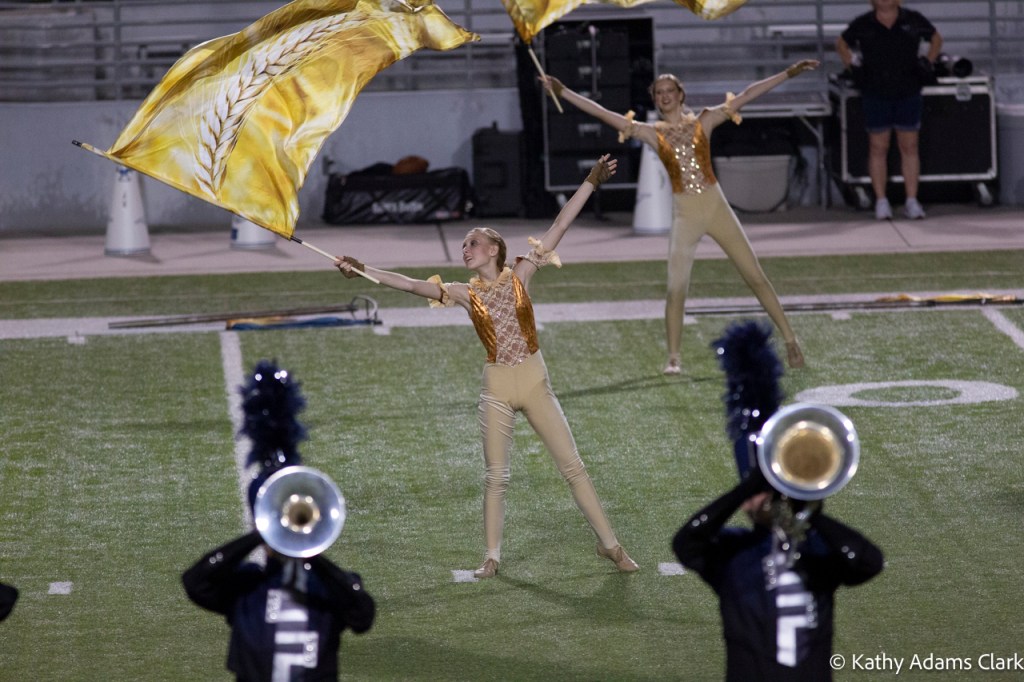
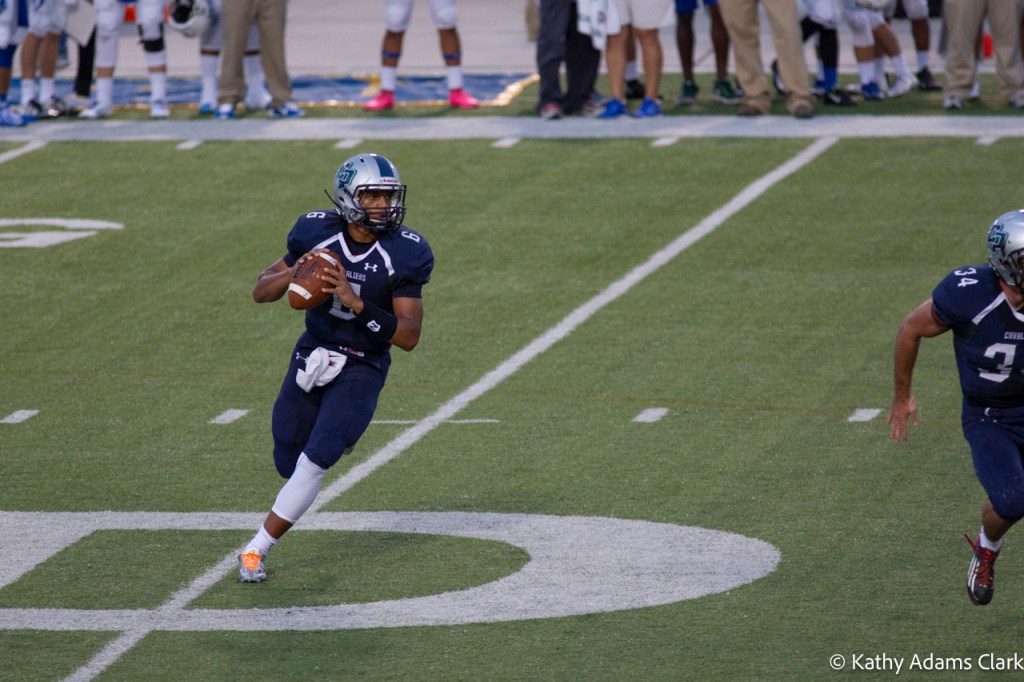
In all the photos below, I used a fstop of 5.6.

Last Nature Column In The Houston Chronicle

“All things must pass
None of life’s strings can last
So I must be on my way
And face another day” George Harrison

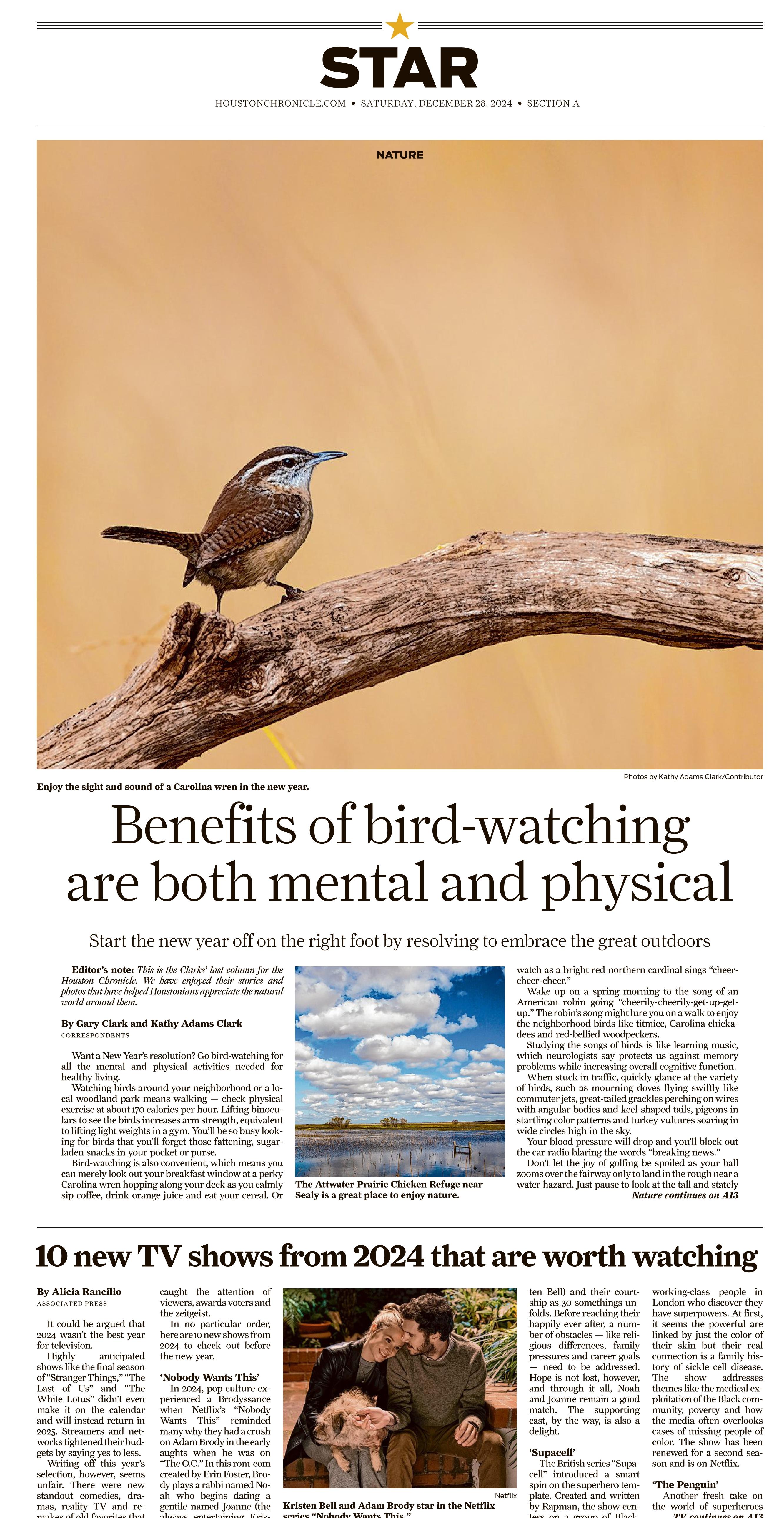
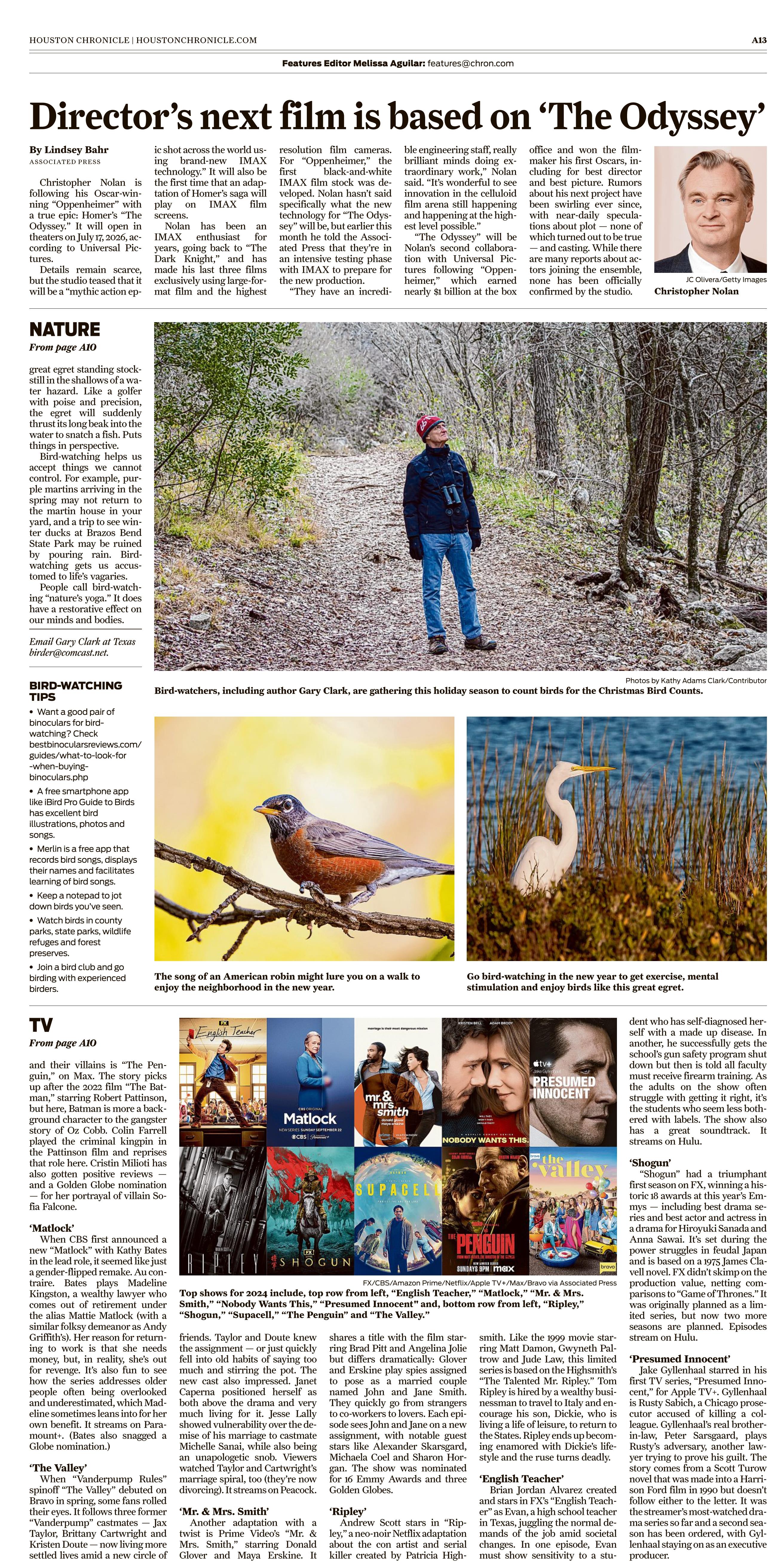
This morning, December 28, 2024, we saw our last Nature column in the Houston Chronicle.

The Nature column has been a major part of our lives for the past 25 years. Gary Clark wrote his lovely stories about backyard birds, rare birds, and birds in far away lands. He wrote about squirrels, rabbits, coyotes, alligators, frogs and so much more. Each column was a blend of art, literature, science, and history. Readers were often treated to a splash of the Bible and occasionally a bit of chess. Gary’s columns we not simply about nature. They were about life around us.

I tried to keep up by illustrating Gary’s column with my photos. The first column on April 1, 1999 was illustrated with scanned slides of John and Gloria Tveten, our predecessors. The photo editor at that time asked if I could not only scan the slides but could I upload them with a new software called FTP. The Chronicle was moving into the digital world and I learned everything I needed to keep up in a week.

We were still using film in 1999. If Gary wanted to write about a rare bird then I had to get a photo worthy of publication and hope/pray that the slide would be good. My local photo processor needed 48 hours to process slides back then so there was a lot of waiting and hoping.

When Gary interviewed someone famous like David Sibley, Sid Dunkle, or Chandler Robinson, I had to hope the photos came out. Same with a rare bird or unusual behavior.

I embraced digital cameras when the photos reached 8MB or publication quality. My first Nikon F100 and then Canon D10 were game changers for me and all those photographing for newspapers. If a photo did come out, it was my fault, and luckily I could reshoot the subject.

I’m proud to say that Gary never missed a weekly deadline. He always submitted a column despite surgeries, bike accidents, and weather delays. During Hurricane Ike, he wrote the column in a Starbucks that had an internet connection. He wrote from his hospital bed after a major bike accident. After hand surgery, he learned how to use voice activated typing. I remember one time when he dictated the column to someone at the Chronicle from a payphone in the desert. Yep, payphone, shorthand, and dictation skills came in handy to get the column in on time.

But writing a weekly column for a major big city newspaper has come to an end. Thanks to our editors Melissa Aguilar, Jody Schmal, and photo editor Jill Karnicki. Along the way, we’ve worked with Betty Luman, Molly Glentzer, Diane Cowen, Elizabeth Pudwill, and Catherine McIntosh plus others whose names escape me at the moment.

Thanks to all of you for being loyal readers. Gary and I will miss your comments and questions. Thanks, too, to everyone who gave us a quote, agreed to be interviewed, welcomed us to your yard for a rare bird, or shared your adventures with us.

Thanks, finally, to the editors at the Houston Chronicle. We wrote a nature column for 25 years. The Tvetens wrote their nature column for 24 years. That is nearly 50 years of bringing nature to readers. Way to go!

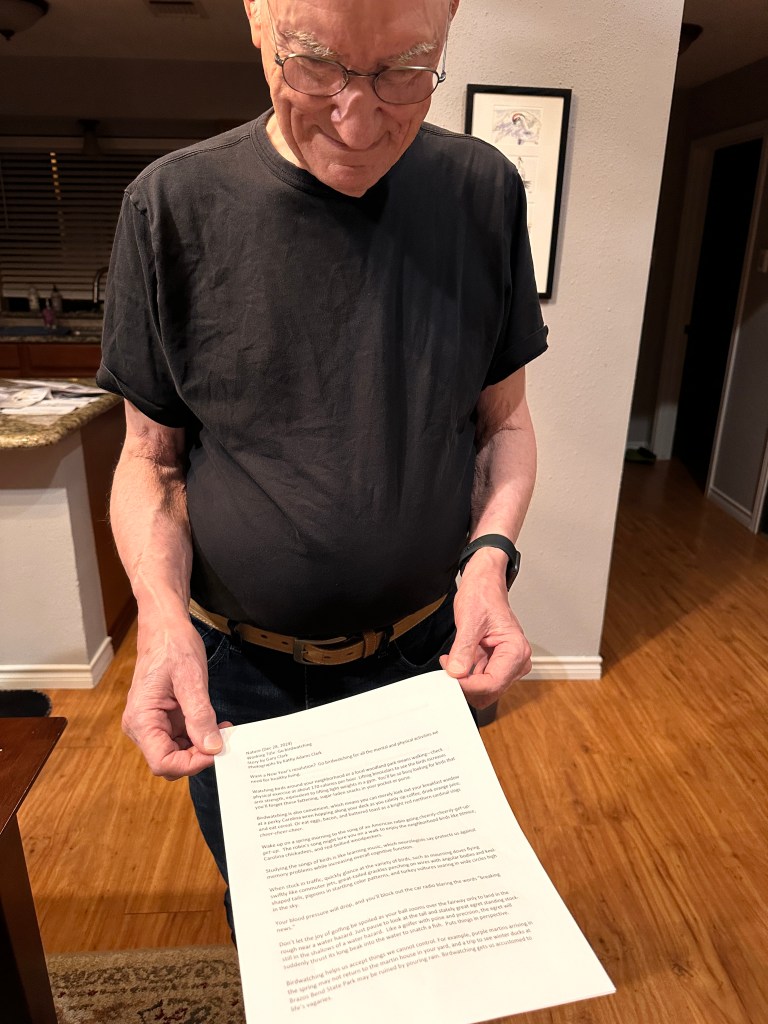
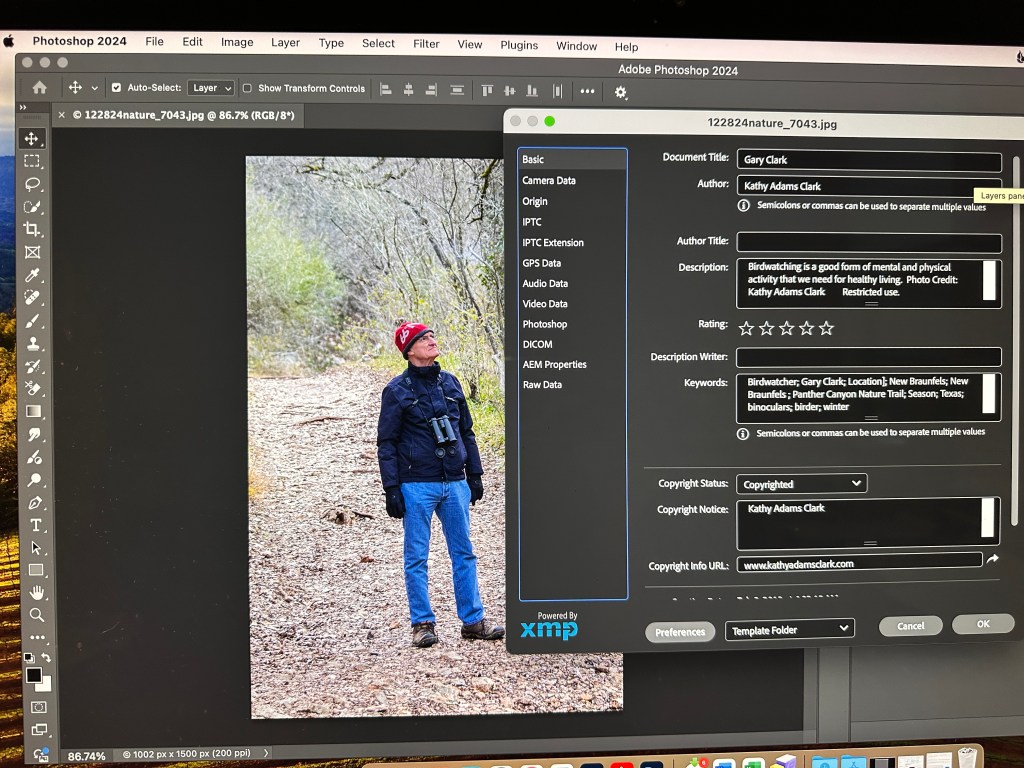
Left: Gary’s last column before upload. Right: My last photo preparing to go.

Jaguar versus Giant Otters — Who Wins?

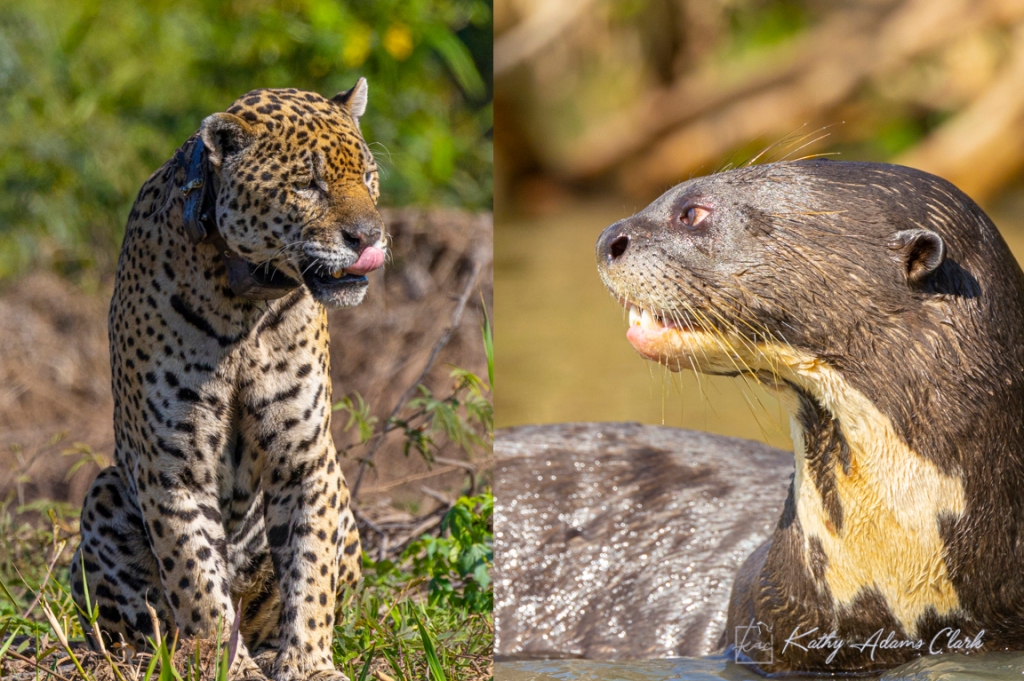
Jaguar versus giant otter

We were in the Pantanal of Brazil photographing jaguars, birds, and other critters in July of 2024. Our main target was jaguars since one can see more jaguars in Pantanal than any other place in the world.

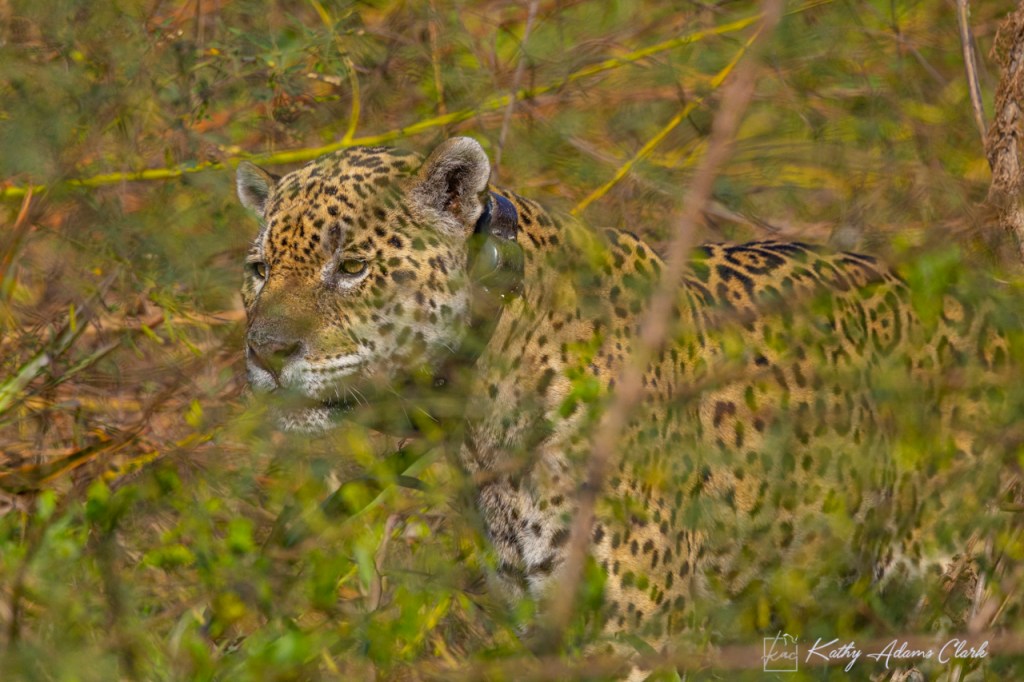
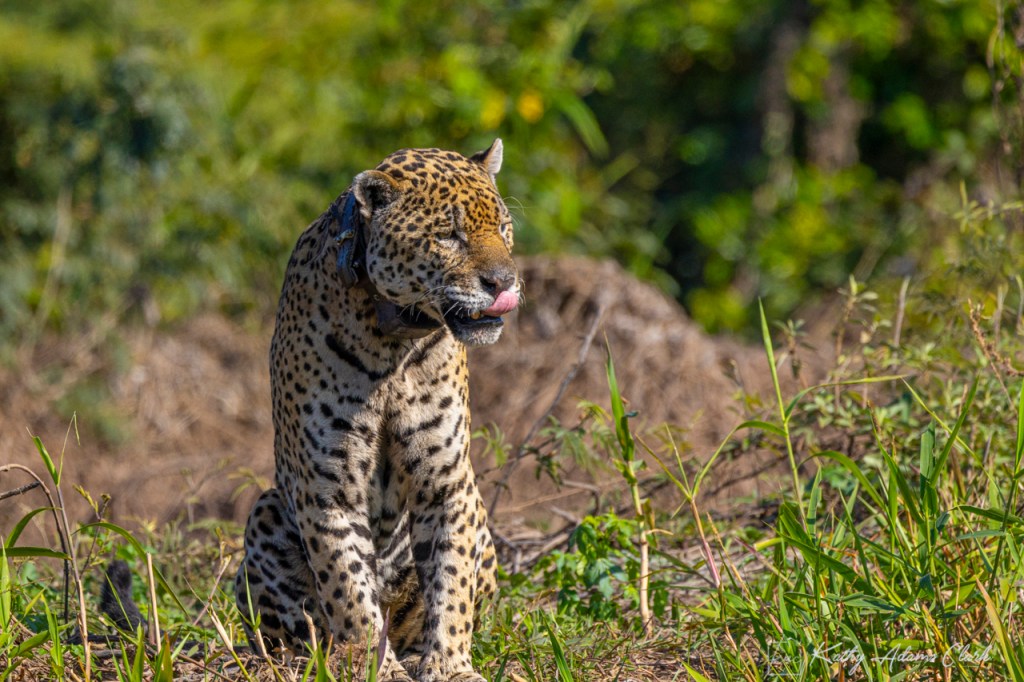
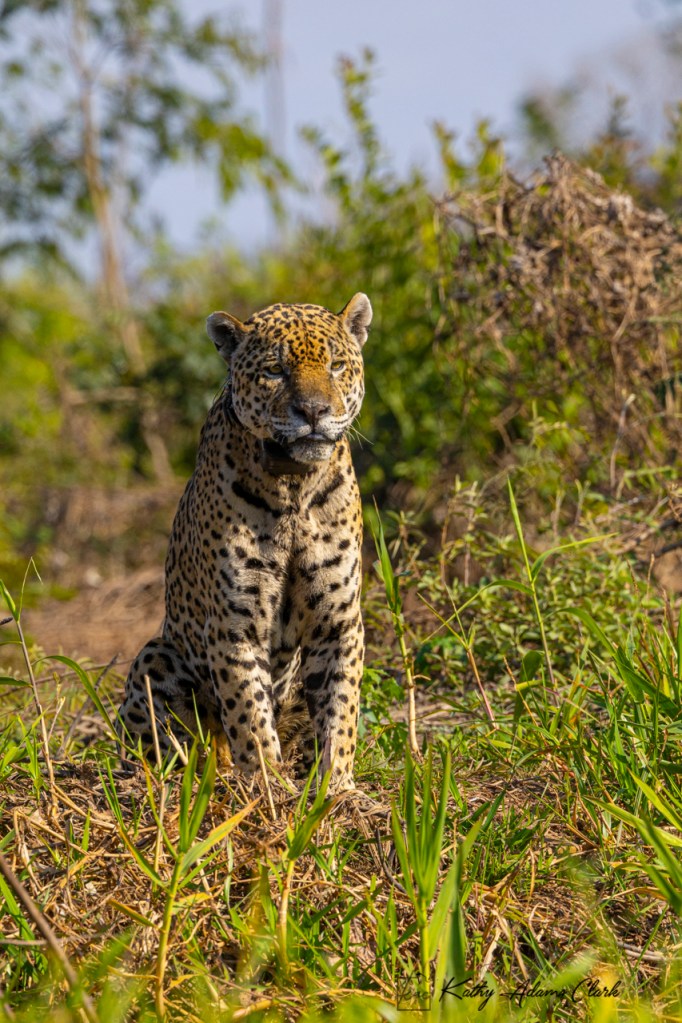
On our last day, we encountered a jaguar that locals had named Nels. He’s a handsome fellow with a huge collar. The collar is because he was rescued from wildfires in a previous year, rehabbed, and then released into the wild.

We found Nels on the Rio Cuiaba near the Three Brothers Rivers. Nels was minding his own business but was hunting for a snack of a caiman or maybe a fat, juicy capybara.

We photographed and watched Nels for maybe 20-minutes and then heard this screeching sound off to the right. My guide, Raul Guarnizo, said the sound was great otters coming to attack the jaguar. Click for Giant Otter sounds.

Jaguar versus Giant Otters sounds like a kid’s futbol match. Let’s see how this plays out.

Jaguar versus Giant Otters

Here’s the jaguar named Nels minding his own business in the Pantanal of Brazil.
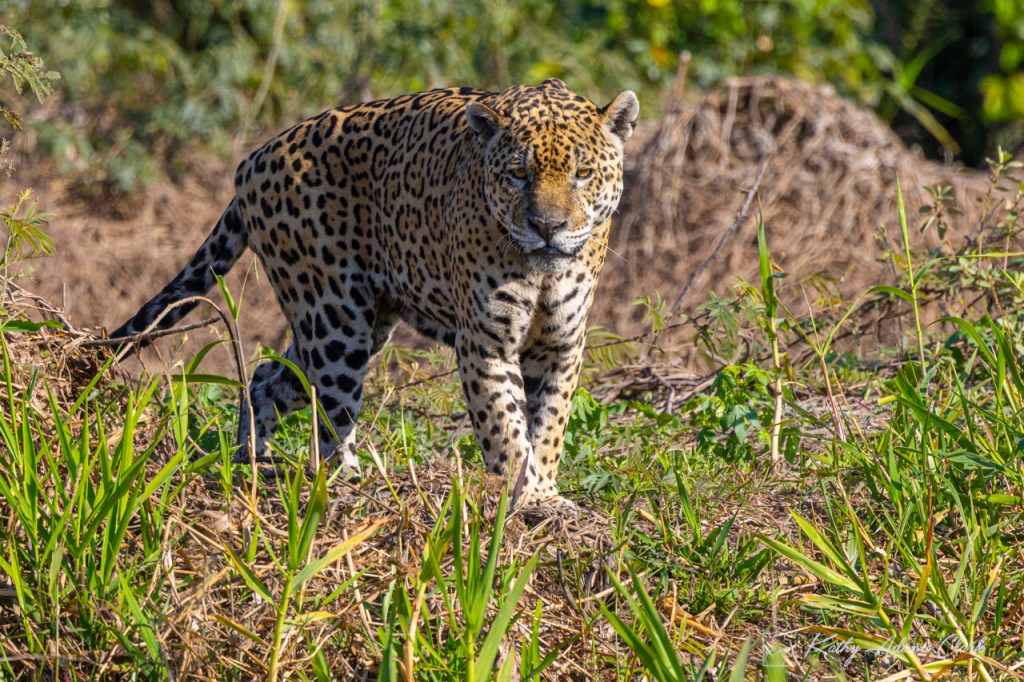
Jaguar Nels comes out into the open.
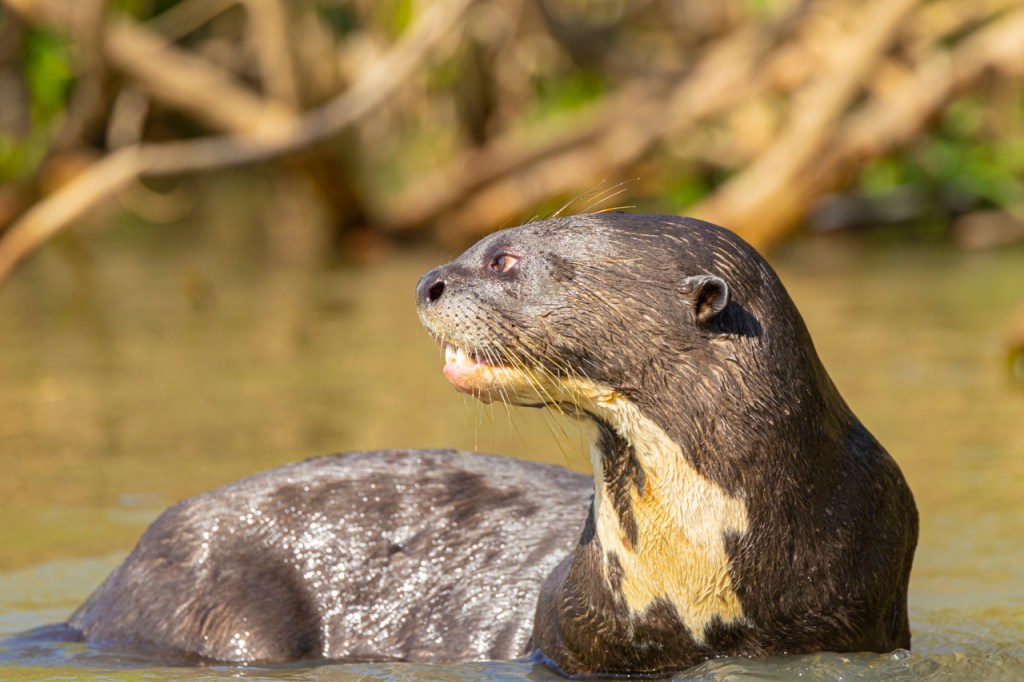
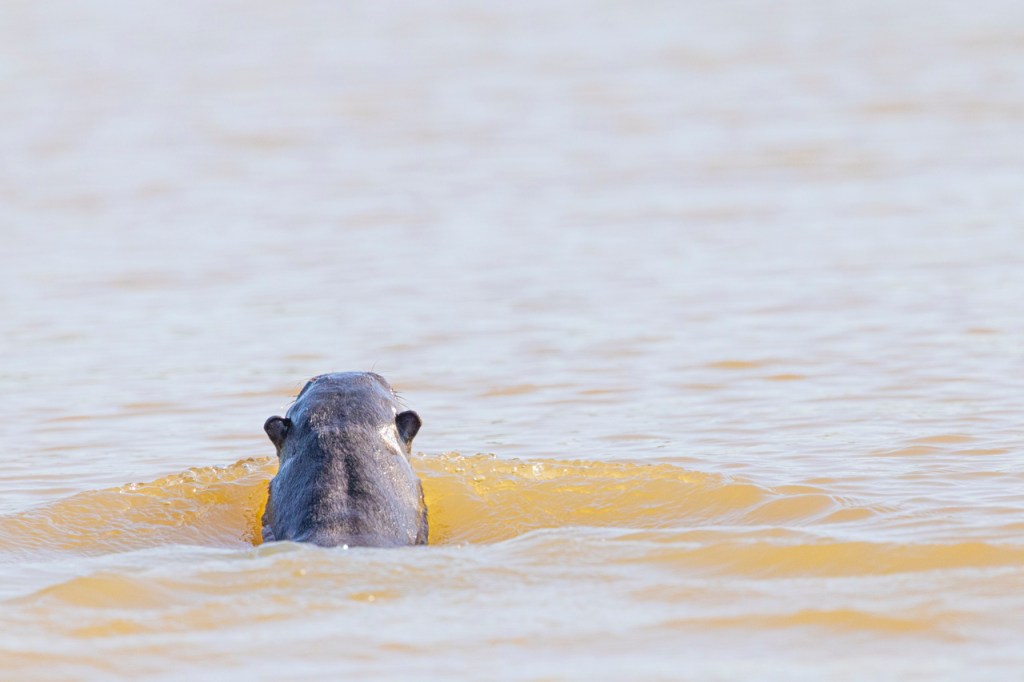
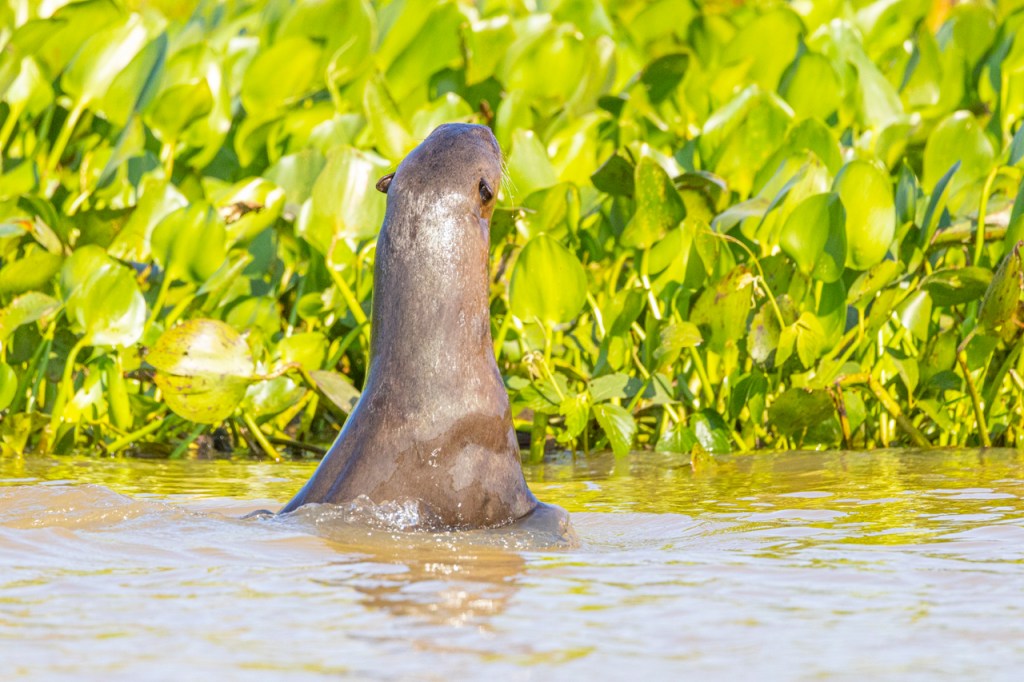
Giant otter sees the Jaguar and goes on the alert.
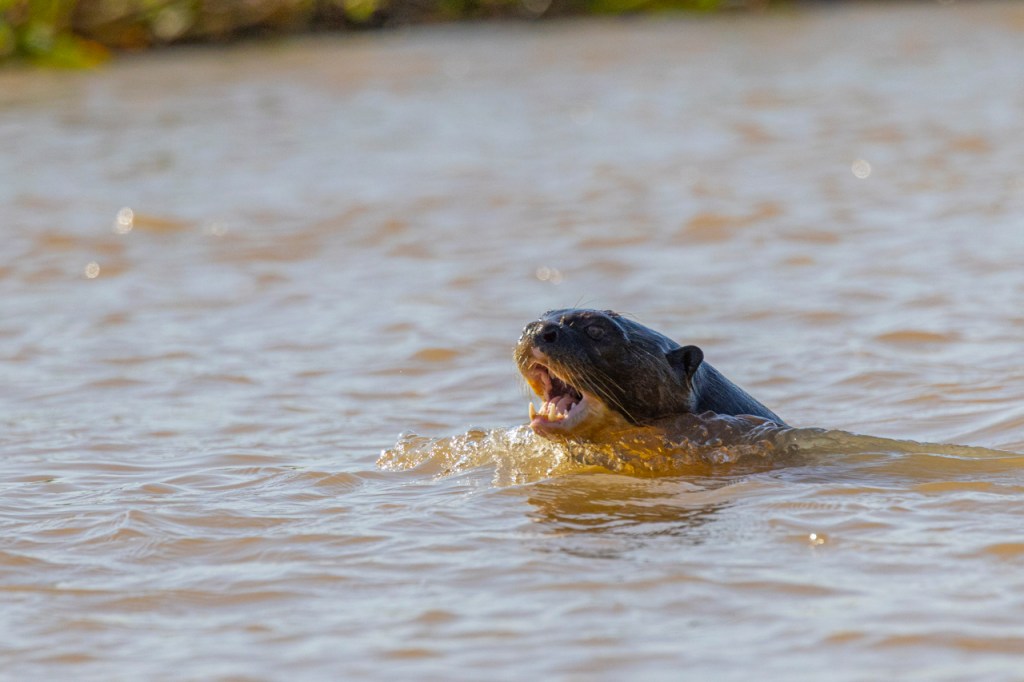
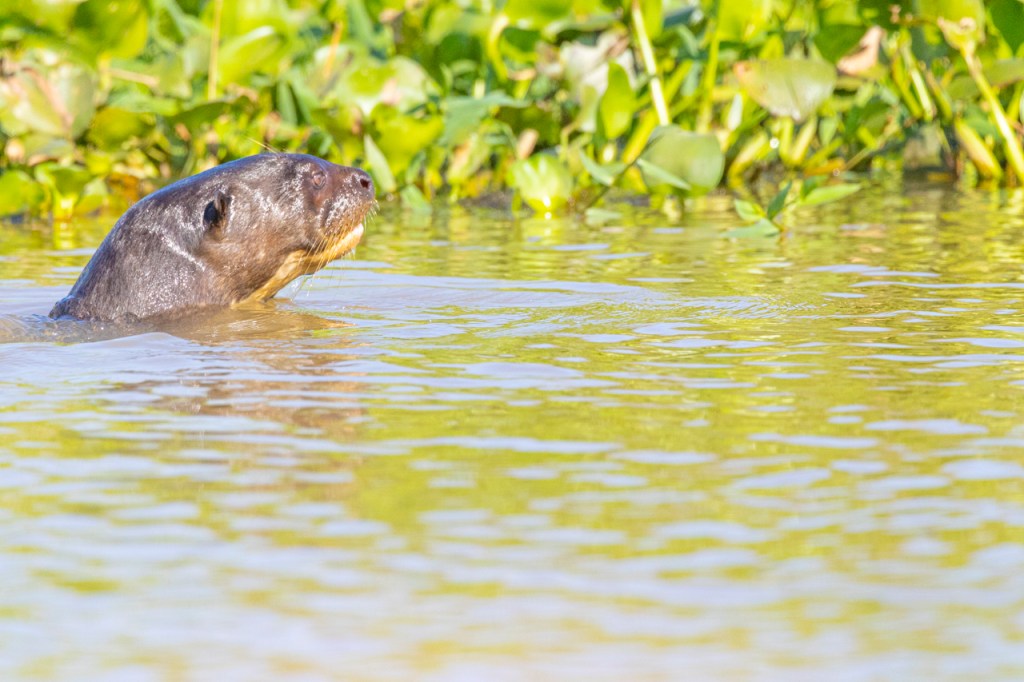
The giant otter starts bellowing. “I’m coming for you Jaguar! You’re in my territory, dude! Get out!” That’s what it sounded like to me. Here’s the reality, though. Click to hear giant otter sounds.
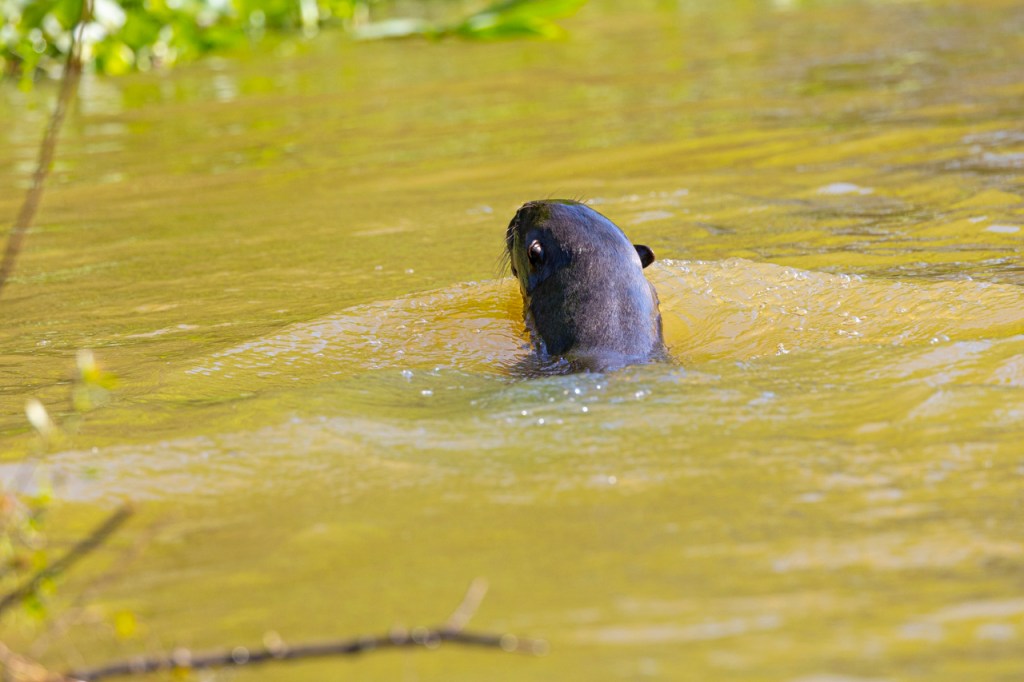
Giant otter makes the turn in the river and swims right toward the Jaguar. “I’m coming for you, Jaguar!!”
Jaguar Nels comes out in the open and looks around.
Giant otter comes up to the shore. “I’m coming for you, Mr. Jaguar!”
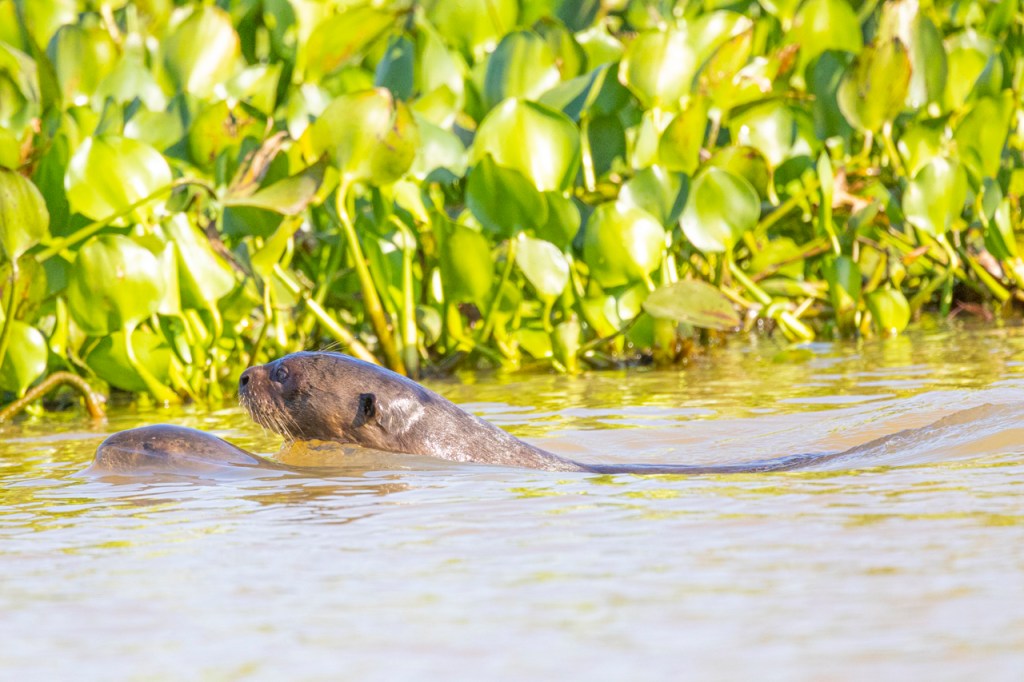
Giant otter yells, “I’ve got my buddy, Jaguar. We’re coming for you!!”
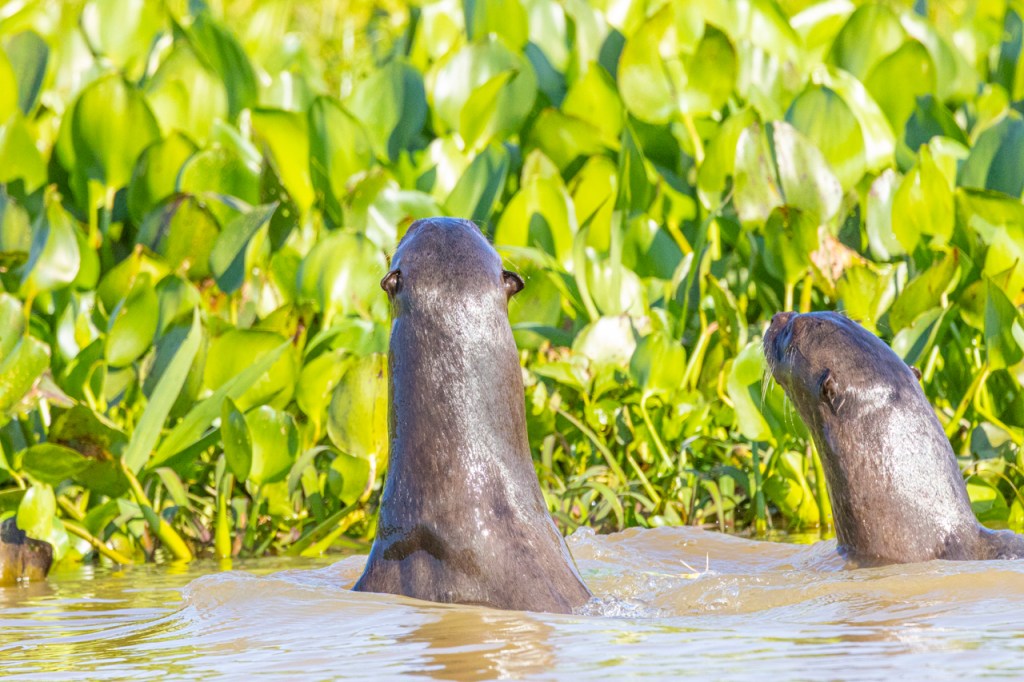
Giant otter and his buddy start popping up and down. “We see you, Mr. Jaguar!!” The entire time they are hollering. Click here to listen to Giant Otter chatter.
Jaguar Nels appears to say “Bring it on, Mr. Otter. I’m ready for you!!”
Giant otter seems to lose interest. One last, “I see you, Mr. Jaguar. Get out of here!”
Giant otter heads on down the river. He has more important things to do.

So that’s it! One defiant jaguar and two feisty giant otters.

What fun trying to figure out what’s going on in the animal world.

Thanks for reading! I appreciate your support. I hope you appreciate my humor.