How to Move Photos to Hard Drive

Frequently people ask me how to move their photos from the SD card to their hard drive. Variations include “how to copy photos from memory stick to computer”, “how to move photos from CF card to hard drive”, etc. The basic idea is taking the photos off the camera’s card and putting them on the computer’s hard drive.

Step 1: Plug your card into the computer using a card reader or the slot in your computer. SUGGESTION: Buy a card reader that plugs into your computer. Different cameras use different cards. A card reader might have five slots for different types of cards. These gadgets are always handy to have.

Step 2: Once your card is plugged into your computer you’ll get an icon that looks like this on your desktop.

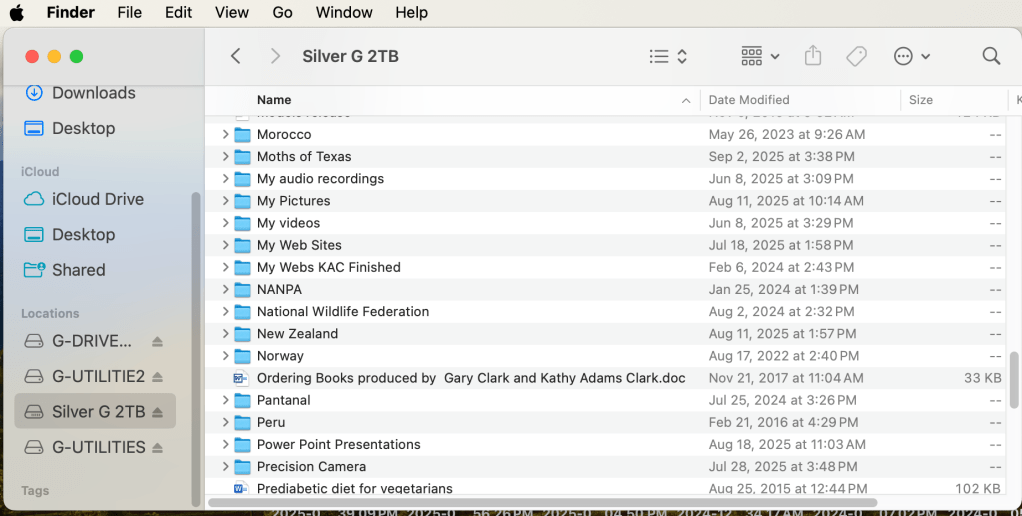
Open a Finder window. Click on the Hard Drive destination for the photos. I have a folder called “My Picture” on my Hard Drive. That’s where I put all my pictures.
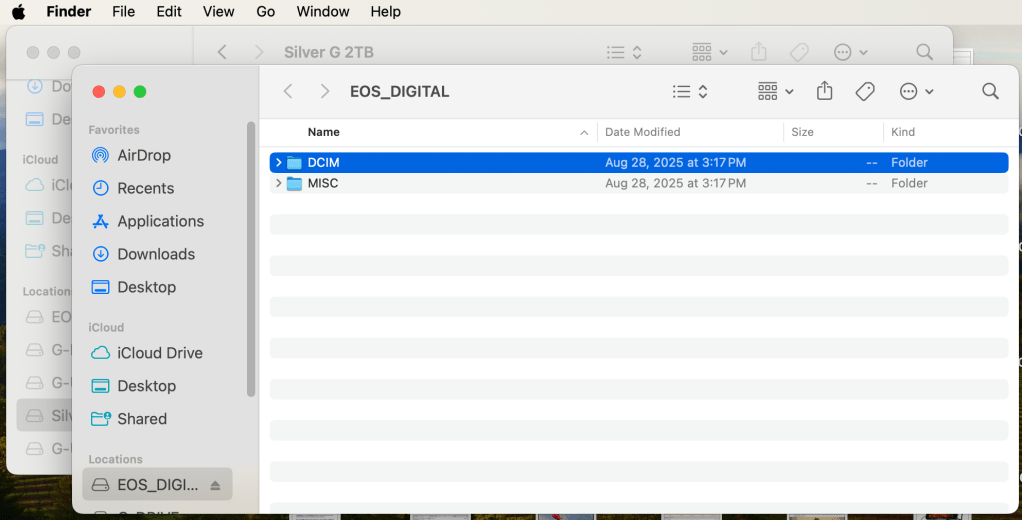
Open a second Finder window. (Right click on Finder and select “New Finder Window”.) Double click on the EOS_Digital and you’ll see a DCIM folder. Nikon, Sony, Fuji, Olympus will call the card something else but everyone has a DCIM folder.
Double click on the DCIM folder to open it. Double click on the folder containing your photos. In the example above, Canon calls the folder 100EOSR6.
You’ll see your photos. The example above is in List view. Notice the date I took the photo is under Date Modified. A correct date and time in your camera will give the correct information here. Select the photos you’d like to move or copy. They will be highlighted in blue. (Note shown here)
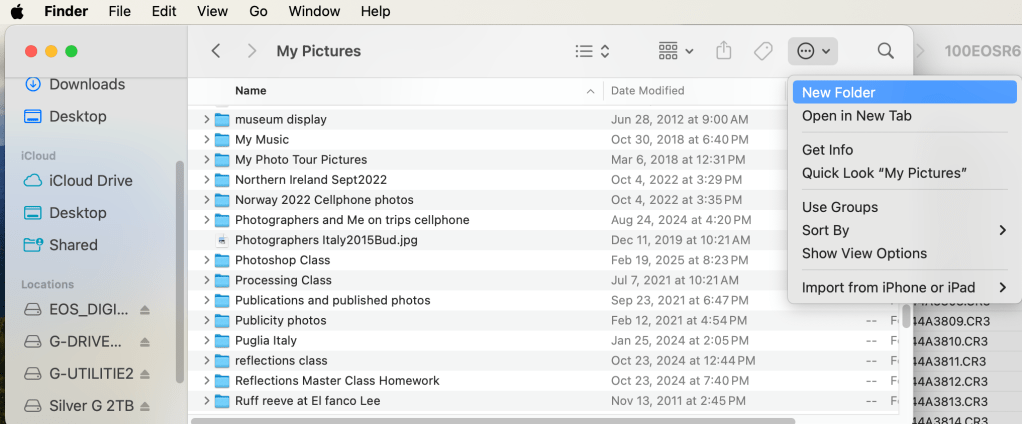
Click on your first Finder window. (Click up by the words My Pictures to do this.) Click the icon show above and select New Folder. We’re going to make a new folder for your photos. Name the folder something that makes sense to you. Use the date, location, subject, etc.
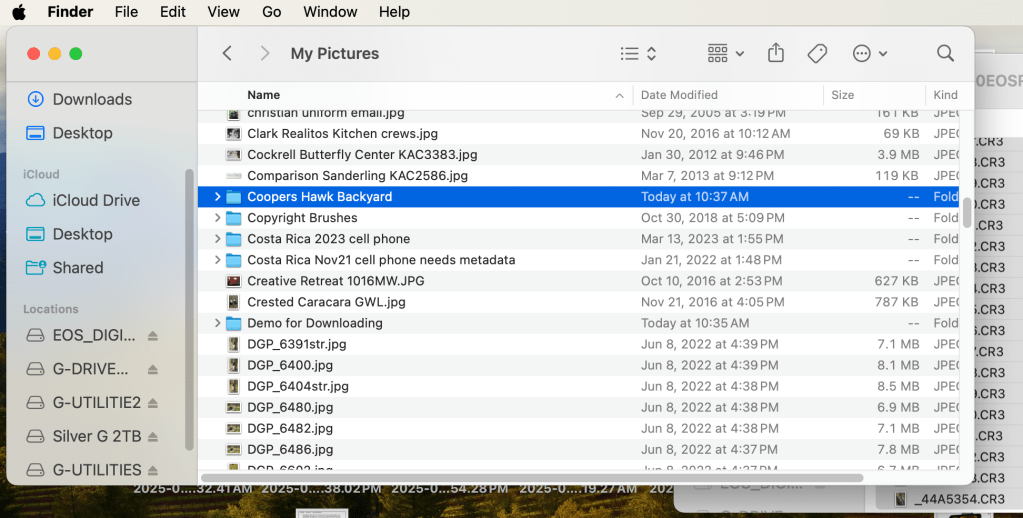
Once you’ve made the folder, double click to open it.
Click on the folder you made for the photos. With the folder open, click on the second Finder window. The photos you selected earlier will turn blue. Click and drag the photos into the new folder. If click and drag is hard for you, use copy and paste. Those are found in the Edit menu at the top left.

I hope this helps. Post any questions below. Yes, I know there are other ways to do this. This blog illustrates my method.

Photographing Moths at Night: Ring Light

– I got the set-up to take moth pics on my back porch (like they were using at Bracken cave that night). I got the extension tubes you suggested and they work great. At home I can sit in one of my deck chairs and put a spotlight between my legs and shine it on the moth for lighting.

Someone mentioned a ring light that goes around the lens that provides light. I have the Canon EOS R7. Would that work on my camera and if so which would you recommend? If I am at an event like that night at Bracken I will need a light source attached to my camera in some capacity.

My Answer: So glad that you like the extension tubes.  They are a wonder to have!!

You can use the flashlight to illuminate the moths.  You can use a flash like the Canon EL-5 ($329). 

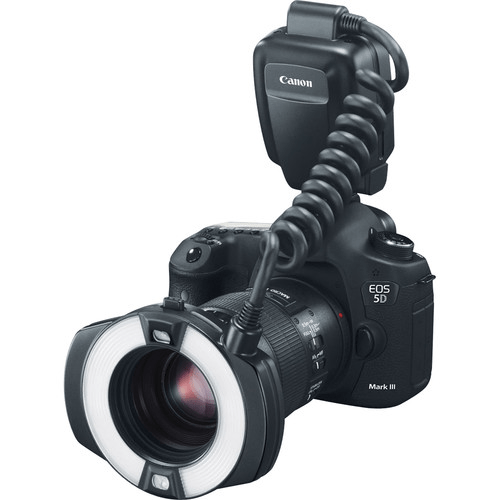
There’s also the Macro Ring Light MR-14EX II ($589) that fits on the front of the lens.  This gives a more uniform light since the light is coming from the front of the lens versus the top of the camera.  (See example below)

Godox has a ring light, also.  It runs $289.  I’ve never used it but the Godox flashes seem to be pretty compatible with Canon cameras. 

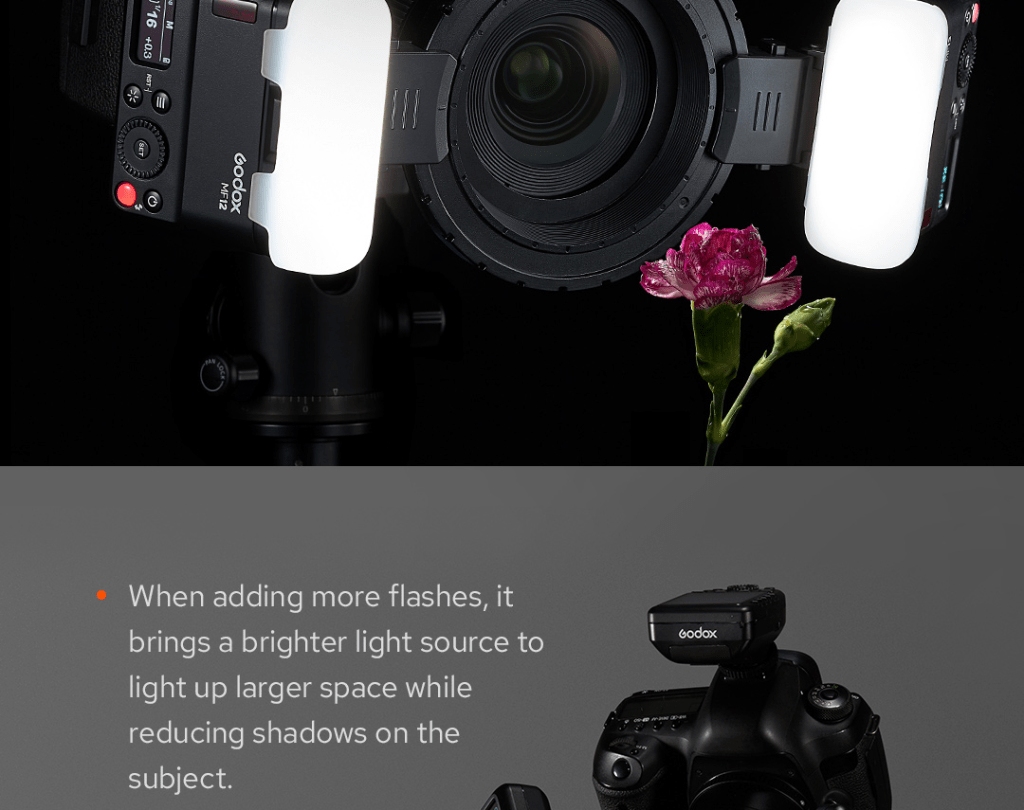
There’s also the two light systems.  Godox has the MF12-K2 Macro Flash Kit for $249.  There are two tiny flashes on the font of the lens.  This allows you to angle the individual flashes for more natural lighting.  Canon has a similar system, Macro Twin Lite MT-26EX-RT but it runs $1079. 

So there’s flashlight illumination method.  The ring light or the two macro flash kits.  Each has its positives and negatives. 

I hope that helps. Post questions or experiences with these products below.

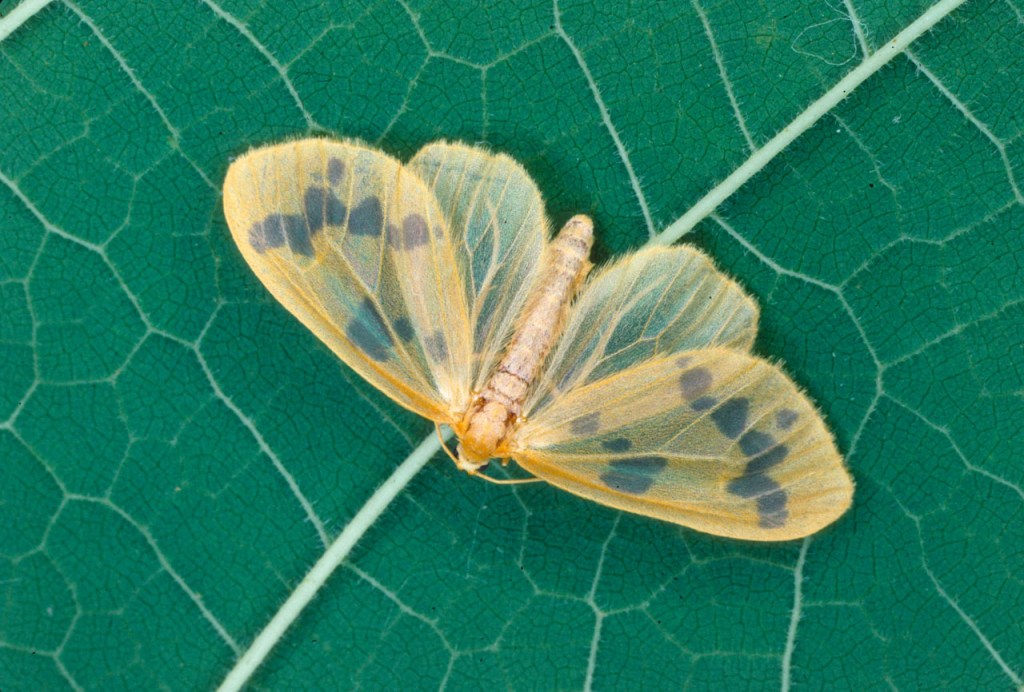
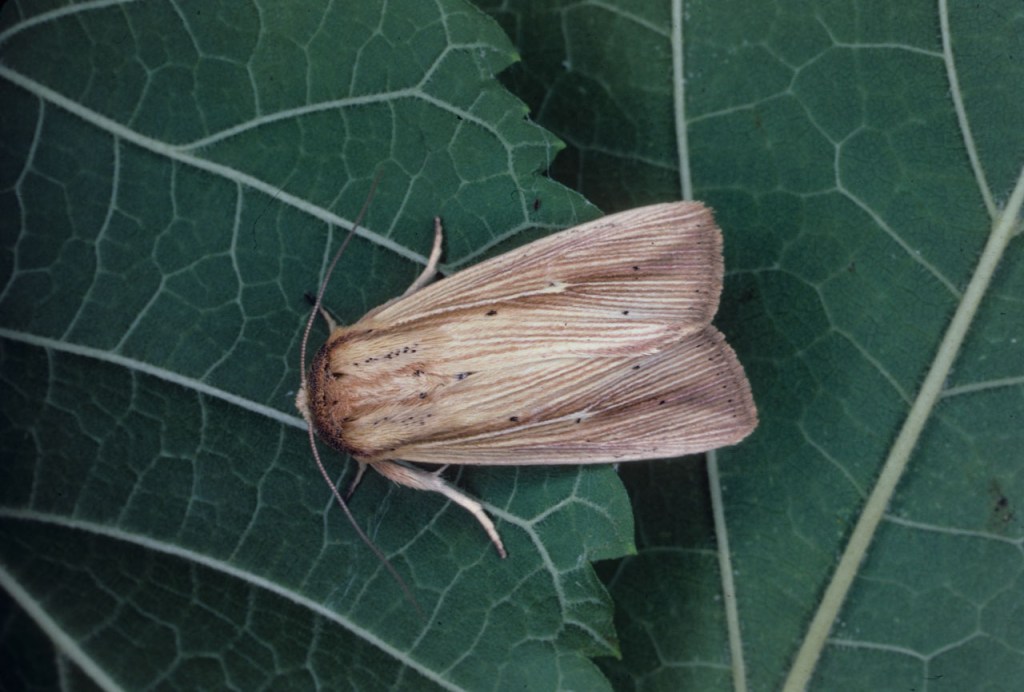
Moths photographed by John Tveten using a basic ring flash. The Book of Texas Moths from Texas A&M University Press by Gary Clark and Kathy Adams Clark with photographs by John Tveten.

Join me for my Macro Photography: Master Class Online
Nov 11, 18, 25, and Dec 2, 2025 7-8:50pm central Register

Which Lenses for Canon R10?

I took your Mastering the Manual class in June, and you mentioned that you would be open to making lens suggestions via email. I’ve been researching, and I’m still at a loss. I would appreciate any suggestions you have. 

I’m a complete beginner (the manual mode class was terrific!).

I have a Canon R-10 with two lenses: 18-45mm (standard kit lens) and 55-210mm f5-7.1

Two primary areas where I’d like to use my Canon (rather than my iPhone camera).

– High School Marching Band – shooting often in evenings or in gymnasiums/stadiums in low light, quick movement. I’d love to focus on the kids (with bleachers and backgrounds blurred out) and catch movement of the Band and Guard. I’m also doing a lot of candids (up-close of kids’ faces) in the stands for social media content. 

– Work – I work for a nonprofit in communications. We just use our iPhones for most things, but I’d love to start adding better photos with my camera. A lot of group shots of people (mostly indoors, occasional outdoors). We also do a couple of big events in the evening indoors with low light.

Other band photographers are telling me I need the Canon RF 70-200mm f2.8. I’m seeing a range of pricing from $2800 to $4,000 for that kind of lens. At my level of photography and my camera, I’m not ready to make that kind of financial investment. 

I know from the manual mode class I need a lens with a larger f-stop. Any f2.8 lens that are more reasonably priced that would work for a beginner in the two scenarios above? Ideally, I’d like to spend less than $1,500. 

I appreciate any guidance. I’m not sure I’m ready for the Lens class you teach at Precision, but if it’s offered in the future, I hope to register. — Erica

My Answer: Let’s get real on your lens choice.  

Canon is putting out a series of moderately priced lenses for the R10 and R7 cameras.

The RF100-400mm f/5.6-8 IS is only $700.  That would be great for your band photos.

The RF 24-105mm f4-7.1 is reasonable, too.  Only $429.

These two lenses would put you in great standing with your camera.  I’ve used both.  They are not your top of the line Canon lenses but they are VERY good.  

Photographed with an fstop of 5.6

Your R10 has nice high ISO so you don’t need the 2.8 lenses.  Those were needed when we didn’t have exceptional high ISO or software to process high ISO.

The reality, too, is you’re never going to blur the background from the bleachers.  You need to be down on the field to do that.  You can blur the background, though, for your candids of the students in the bleachers during the game.  Either lens will do a great job.

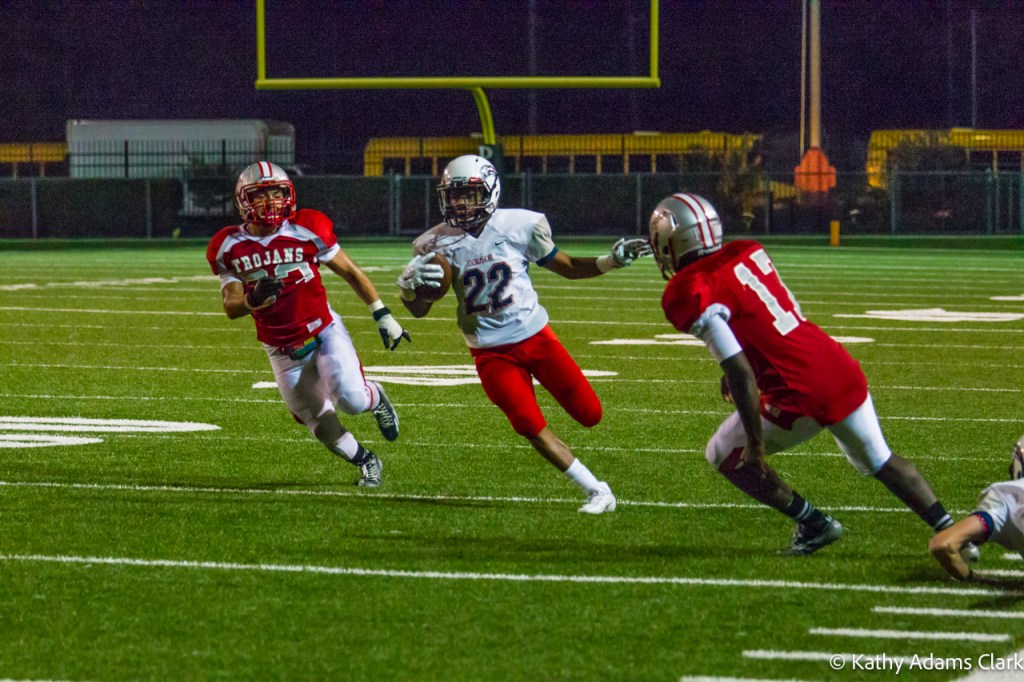
In all the photos below, I used a fstop of 5.6.

Which Class Should I Attend?

“Which class should I attend? You offer so many different topics!”

We use the same principles of photography regardless of the subject. 

When we photograph dragonflies or butterflies, need the same adjustment of shutter speed to stop their motion.  I use the same settings for either critter. 

During a recent Butterfly Photography class, we photographed more dragonflies than butterflies.  That’s just what we encountered.  Participants learned how to use Shutter Priority and Auto ISO to stop the subject we found.  They also learned about moving their focus points around to focus on the subjects.  Also, how to change their focus setting based on where the subject was in the vegetation.

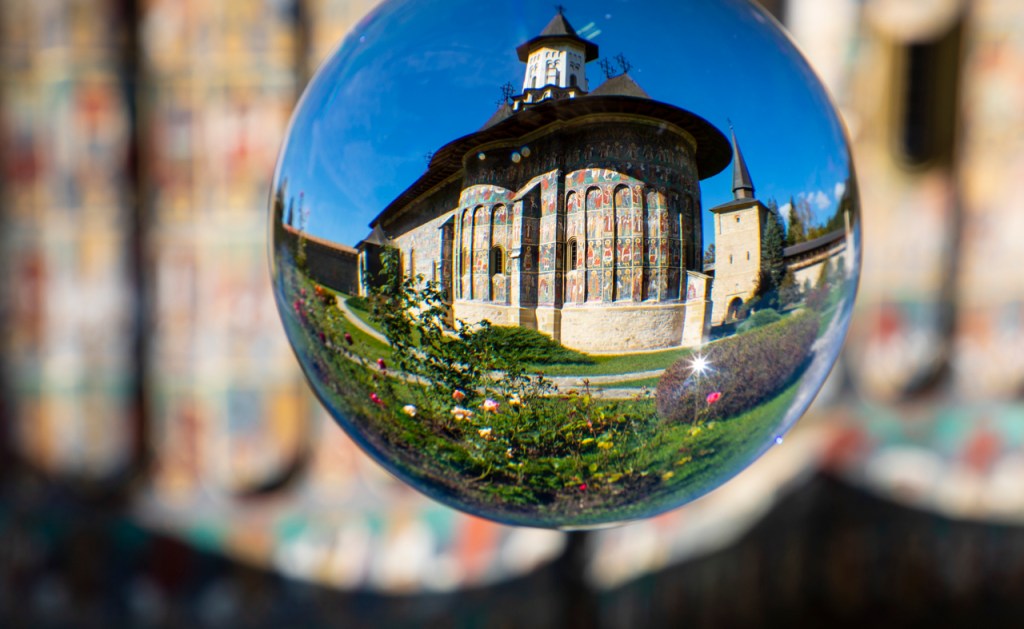
Crystal Ball Photography is an indoor class.  That will cover f/stop, shutter speed, and ISO but more for static subjects.  This class will emphasize how to use the crystal ball to see things in a different way.  More creative than the first two classes.  Also, this is an indoor class so it has a slower pace.

Crystal ball, Sucevita Monastery, Sucevita, Romania

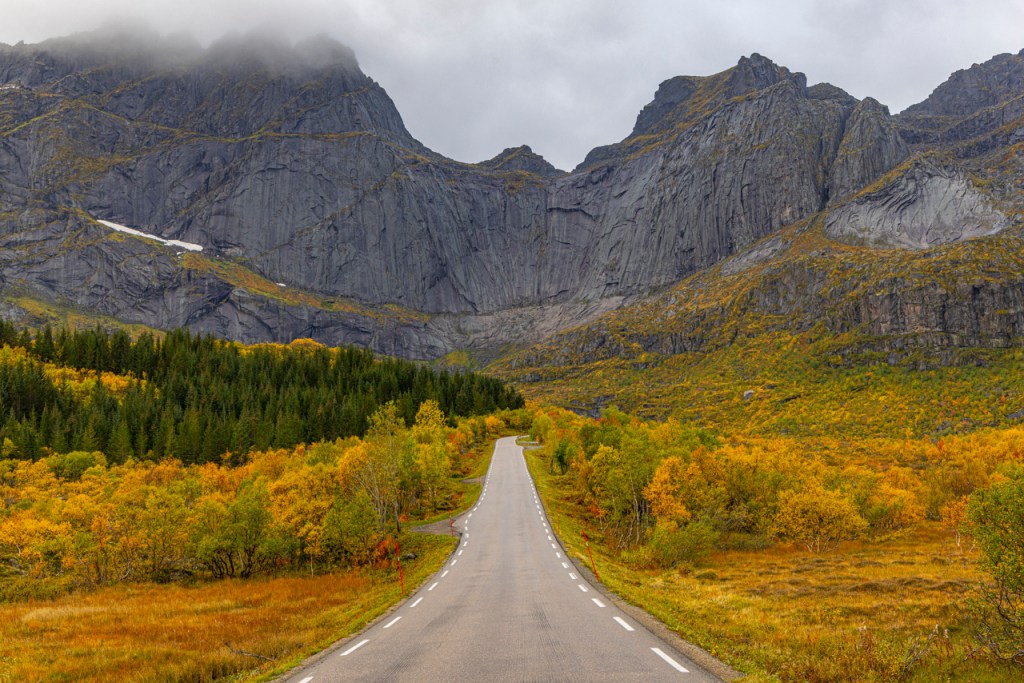
Landscape Photography is more about that big, static thing in front of you.  It’s not about stopping the action so much as which lens or filter is right for the moment.  There are also a lot of processing tricks that are needed when photographing landscapes. 

Lofoten Island; Norway; Nusfjord; Ramberg, Norway”

Any aspect of photography teaches you something different that feeds into the whole.  When you take a class in one thing, you learn something that applies to something else.

So, I’d suggest you choose the one that is important right now and attend that one.  Here’s a list of upcoming classes on my website.

Rejected Photo in Adobe Bridge?

My friend Will wrote to ask me why the word “reject” was showing under his photo in Bridge.

Will wrote that he was using Adobe Bridge to edit photos from a recent shoot. The red “reject” was under some photos for an unknown reason.

Solution

I’ve used Bridge since it came out in 2005 and I’ve never seen the “reject.” I remember, though, hearing Lightroom users talk about rejecting photos versus just deleting them. 

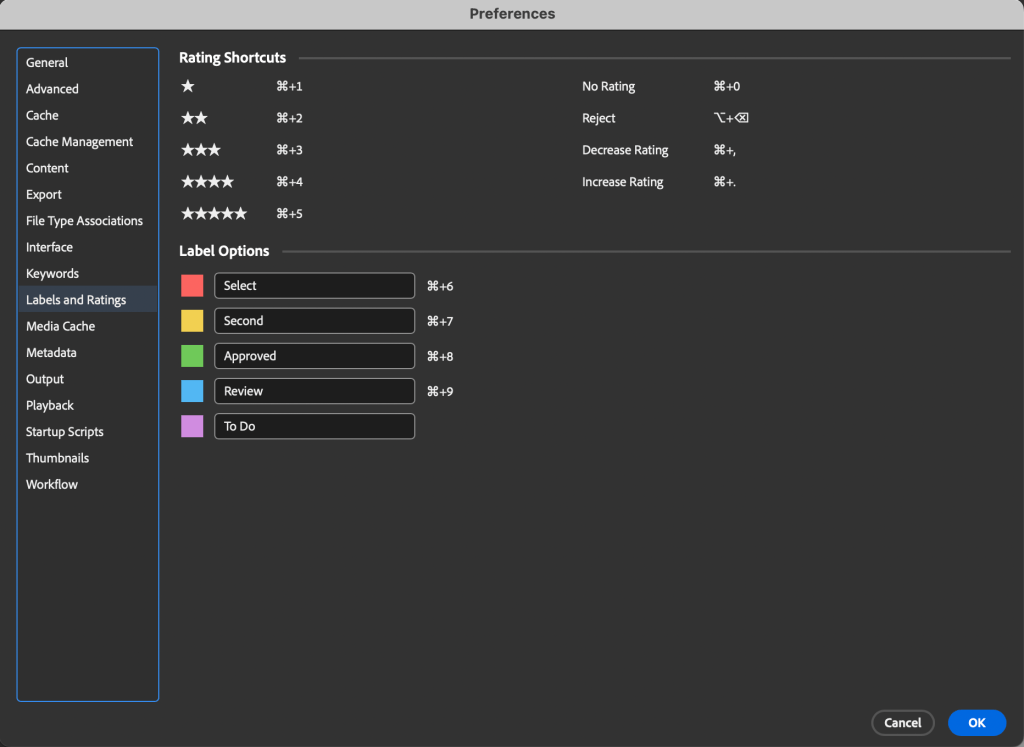
I checked the Settings in Bridge and found there was an option to “reject” when labeling images. See the screen capture below. Option + Delete key gives “reject.”

My Method

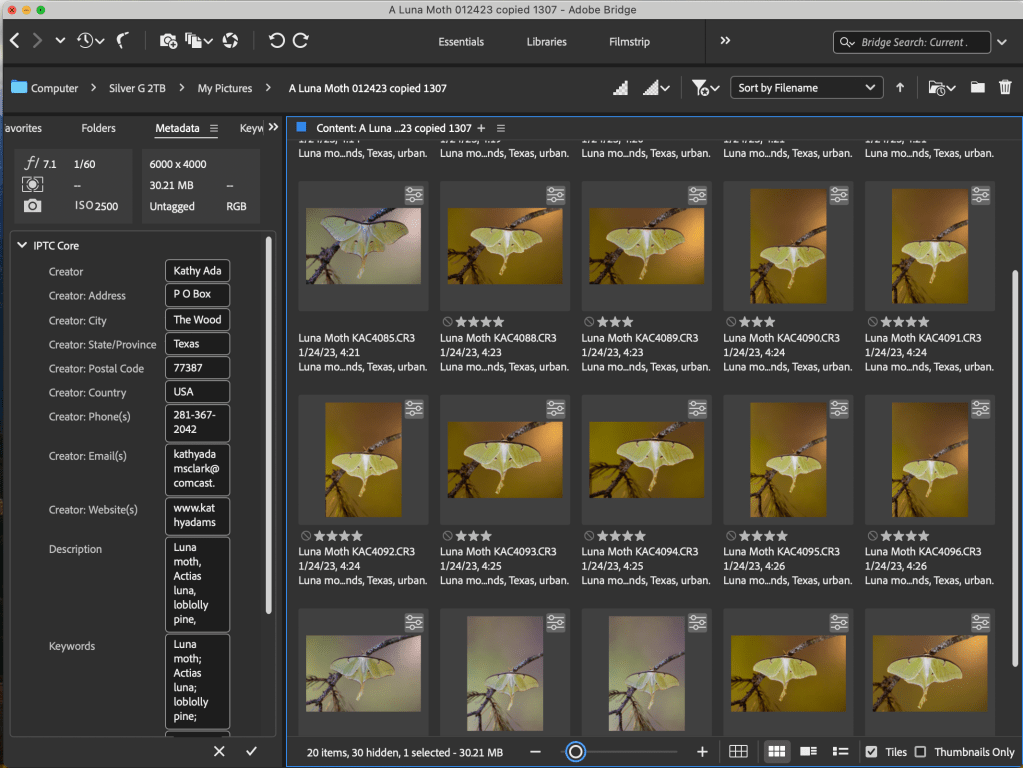
I don’t use the reject option when editing images. While editing a batch of images in Adobe Camera Raw, I enlarge each image to 100% and give it a rating. 5 stars is an amazing, great image; 4 stars is a really strong image; 3 stars is average and what’s expected; 2 stars is slightly blurred but maybe worth keeping; 1 star is not worth keeping; no stars is a delete. 

Below is a screen capture of Bridge after I’ve edited all of the images as a batch in Adobe Camera Raw and rated them.

I’ll keep the images with 5, 4, or 3 stars. The images with less than three stars will be deleted. There’s no need to keep lesser quality images in the catalogue. 

The star system also helps me select the best image later when I’m searching images in the Lightroom catalogue or Library. I can immediately go to the 5 or 4 star images versus looking at each image in a series again.

Great question from Will. It was fun finding the answer to his problem. I hope the answer and other information might help others.

If you’d like to learn how to edit photos in Bridge and Adobe Camera Raw, sign up for one of my online classes. I offer Introduction of Adobe Camera Raw, Lightroom and Elements every six to eight weeks. 

Questions? Please feel free post below. Thanks for reading!

Canon R7 and R10 Announced

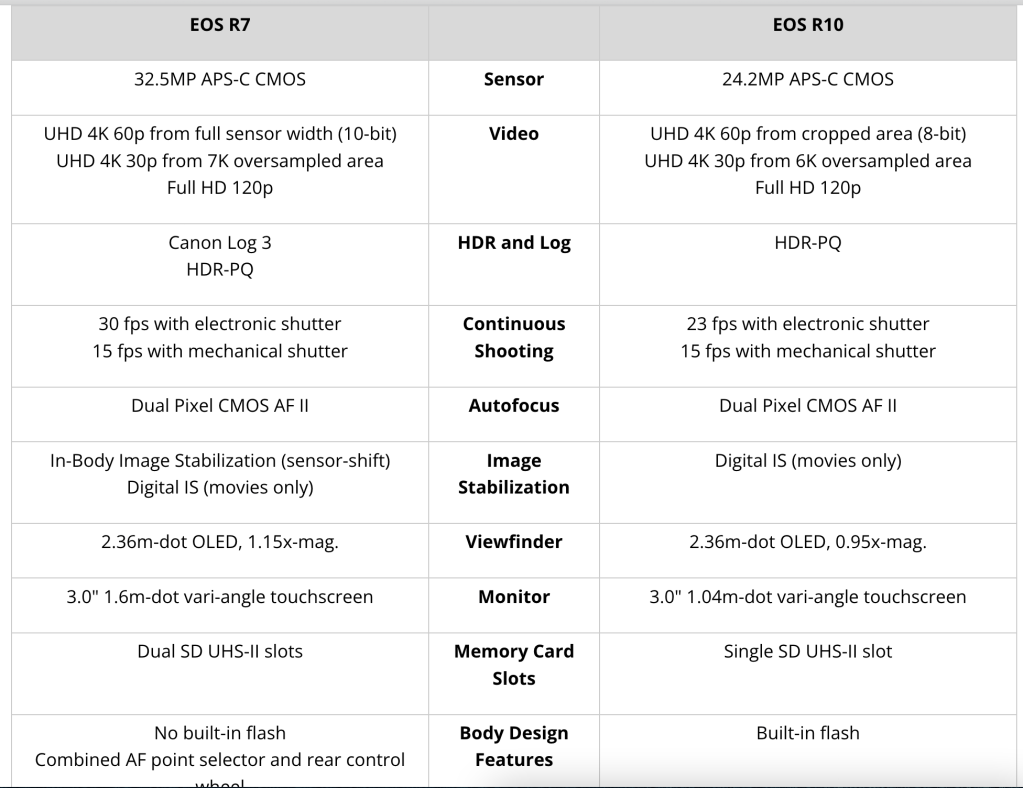
Canon has finally announced their less expensive line of R mirrorless cameras. Both the R7 and the R10 look like great cameras to me. Each is smaller, lighter and less expensive than the R3, R5 or R6. Yet, each is loaded with a ton of features that will make any photographer happy.

Both come with a cropped sensor and their own line of lenses.

I haven’t had a chance to touch or feel the R7 or R10 yet. The folks at B&H Camera, though, have put together a nice comparison chart.

Have a look:

Copied from B&H Photo Video

Here’s a link to B&H’s full analysis.

Stealing a Photo: Texas Supreme Court Says It’s Okay

It was just a small article in the June 18th Houston Chronicle. Texas Supreme Court ruled that it was okay for The University of Houston to use Jim Olive‘s photograph of downtown Houston without permission.

Read Gabrielee Banks article for yourself.

The Texas Supreme Court ruled that the University of Houston is protected by “sovereign immunity.” This well-respected university that is charged with teaching our young people is allowed to use something without permission due to “sovereign immunity.”

I’ve followed Jim Olive‘s case since it began back in 2014. It’s made my blood boil and my heart race since day one. As photographers we do everything we can to protect our photos from unauthorized use. We embed metadata, we disable right clicks on our websites, we even pay companies to troll the internet looking for unauthorized use.

Yet, a person or persons affiliated with “Houston’s Public Tier One University” really did right click or screen capture one of Jim’s photos. Then they used it to advertise the Bauer College of Business where “together, we rise together, we soar”.

I suspect those student at Bauer have to take a class in ethics. Years ago I taught an ethics class to freshmen business students at Lone Star College. One of my favorite chapters introduced the concept that something might be legal but its not RIGHT.

Let me give you two examples: In the 1800s slavery was legal in the US but slavery wasn’t right. Before the 1970s, women in the US could be fired from their job because they were pregnant.

It’s Legal but it Ain’t Right published by The University of Michigan Press

Well, It’s Not Illegal! published by the University of Central Florida News

Olive sent the University of Houston a cease-and-desist letter when he found out his photo was being used without his authorization. The university took his photo down from their site. Olive invoiced them for the use . . . and the university essentially said “sue me” versus acknowledging their error and making it RIGHT.

It boils my blood even more that the University of Houston was willing to pay a team of lawyers to defend their stand versus admit they were wrong and pay Jim invoice. I wonder how much the UofH has spent to fight Jim’s claim?

Fellow Photographers: We should all be outraged! Our work is our work. That applies if we are a high-level professional like Jim Olive or a beginning photographer posting our photos on Facebook. Our photos are our property.

Please spread the word about this issue. Share it on social media, at your camera clubs, and in your newsletters. As photographer we should be outraged.

Write a letter to the University of Houston and let them know you disapprove.

Let Dr. Khator and Dr. Pavlou know your thoughts on this issue. I’ve written both to let them know my disapproval.

Maybe you’d like to let the Board of Regents of the University of Houston know your thoughts as well. (Notice they have their Code of Ethics posted on that website.).

I’ve been a professional photographer for the past 26 years. Client pay to use my photos in magazines, books, newspapers, calendars, and websites. Professional editors, graphic designers, book publishers and creatives all know that you have to get permission to use a photograph and there will be a fee involved. That’s the way the business works. Except if you’re the University of Houston.

Thanks for reading and thanks for supporting me in this issue. Jim Olive needs to know the photography community is behind him and his cause.

An Update on Brazil’s Pantanal

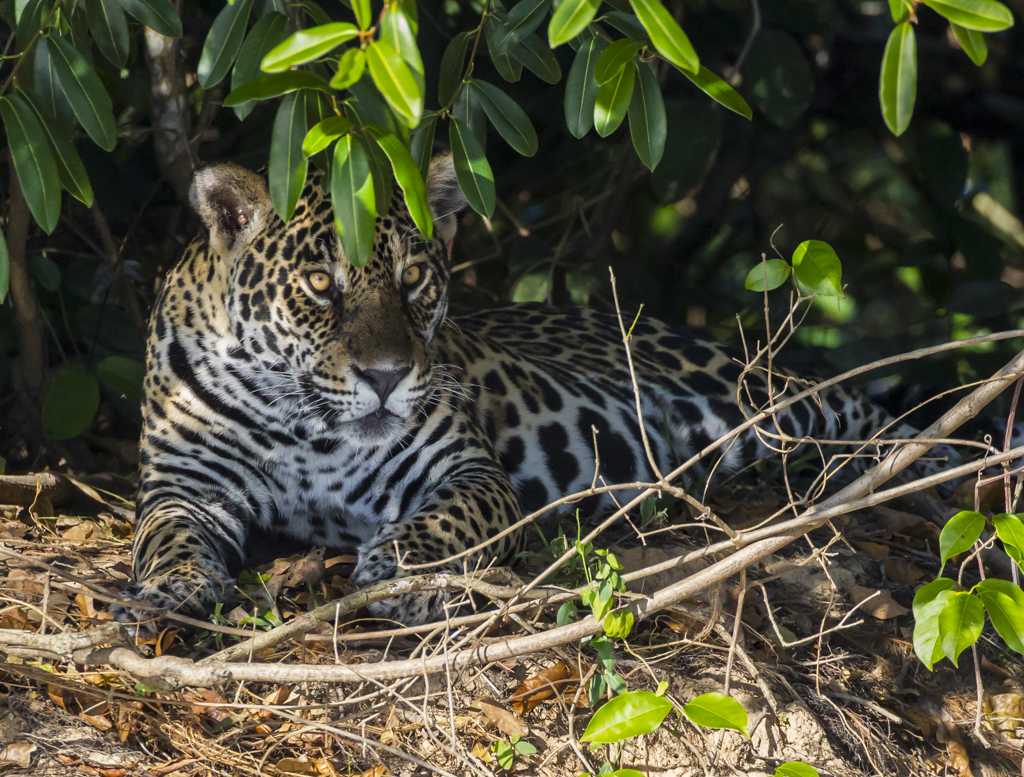
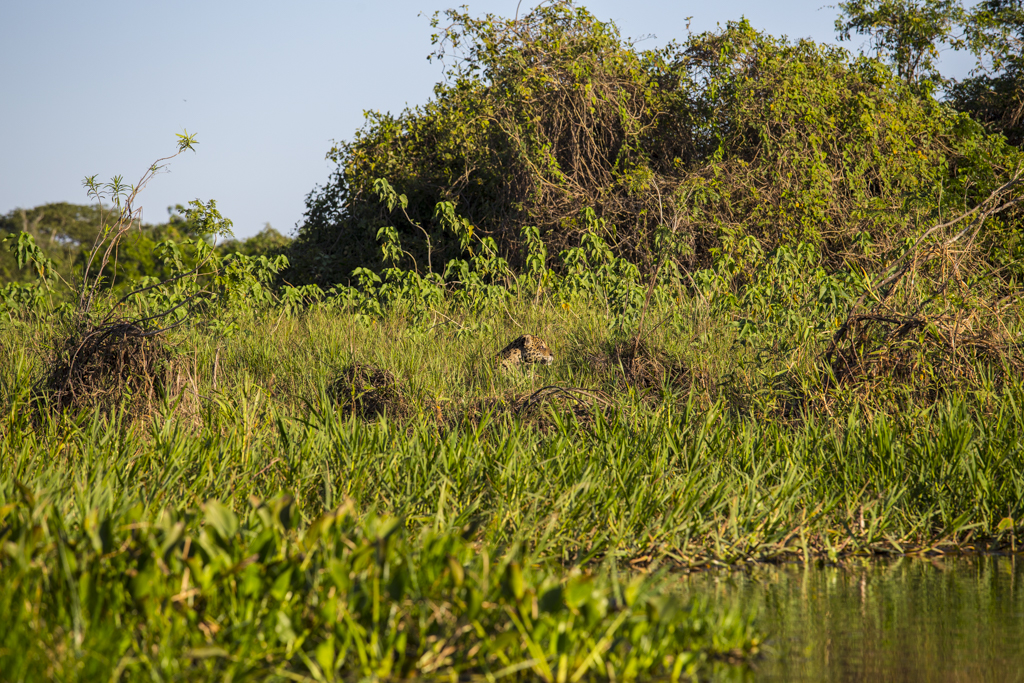
Young female jaguar in Pantanal.

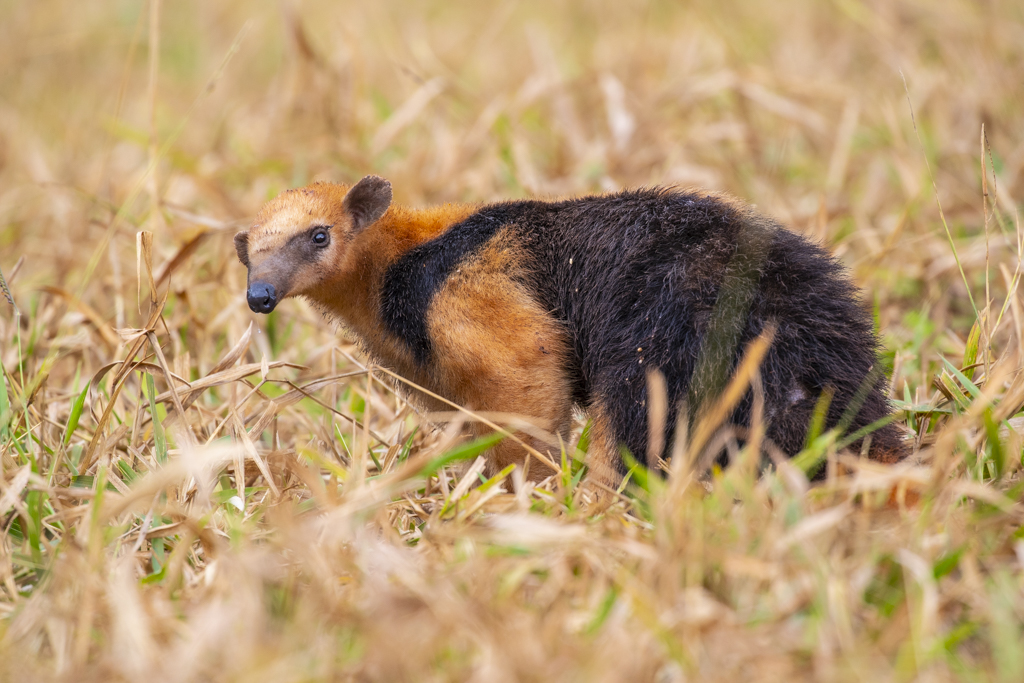
I’ve traveled to the Brazil’s Pantanal region several times to photograph jaguars, Toco toucans, giant anteaters, and other amazing wildlife. This part of the world reminds me to Tanzania. There’s wildlife at every turn and the photo opportunities are amazing.

During the summer of 2020 we started seeing news reports in the US about the horrible fires in the Pantanal. One especially heartbreaking photo showed a jaguar rescued from the flames in a rehab facility with bandaged paws.

Fellow photographers were sending me links to news reports. So I thought I’d send an email to Charles Munn, founder and owner of SouthWild. SouthWild is the tour company Strabo Photo Tour Collections uses to coordinate all my trips to Pantanal.

Here’s the update Charles Munn sent about the Pantanal:

The pantanal is half the size of California.
It is and always has been a fire-adapted ecosystem, designed to have periodic dry season fires, originally set by lightning prior to humans arriving 12,000 years ago, and then set every year or two or five by humans.
The plants and animals evolved with periodic, widespread fires, for perhaps 100,000 years.
The Pantanal had a longer, drier dry season this year than any time in the last 47 years.  The extra dry year and the fires set by some ranchers here and there have caused about 25% of the Pantanal to burn.  By early October, the fires were done and the first rains have started, thankfully.
“A report from 3 weeks ago from two naturalist guides at different times in different boats ..(the guides who have guided for SouthWild) said that they racked up 18 good Jaguar sightings in a week. That is a high or extra high number of sightings.   Yet another colleague had 11 Jaguar sightings in 2 days.  All of these Jaguar results involved NO assistance from radio calls from other boats, because the pandemic has reduced boats in Jaguarland to the point where there is no radio system this season.
There was a lot of fire in the heart of Jaguarland in August and September, but it is done now, and all of these Jaguar reports have come from AFTER the fires were over.
None of our lodges in the Pantanal has had its birding trails or lodges affected by the fires. There were some fires near SWP lodge, but the fire was kept out of the forests that we use for birding.
As tragic as the fires have been, they now are done, and it would appear that things will look pretty normal normal next year, that is assuming that rains that have started in Oct will intensify in Nov and continue for the normal rainy months of Dec, Jan, Feb, March.

Charles Munn

“One more detail I should make clear:
Most of Pantanal is …seasonally flooded (and then seasonally dried out) grasses..
not forest
for decades, perhaps millennia, the Three Brothers River in the heart of Jaguarland has a thin ribbon of forest along 80% of the riverbank, and just grasses along the remaining 20%.
where there is forest along the riverbank, it averages only 20 meters wide….almost nothing…..
and in many places it is only 10 meters wide
and then all the rest of the habitat behind this narrow gallery forest…for km and km…. is …grass…..
Therefore, the fires were worse this year than in decades, but the Pantanal is designed to survive and bounce back from fire.

Charles Munn

I hope Charles’s information adds to what you’ve read or seen in the US news. My hope is to one day return to the Pantanal and enjoy the fabulous photography and people in that area of the world.

My Photos From Pantanal if you’d like to take a look.

Norway Trip Recap

The Aurora from Lofoten Islands in Norway.

I had the pleasure in September of leading a photo tour to the Lofoten Islands of Norway for Strabo Photo Tour Collection.

Norway was amazing.  It’s a pretty easy flight over to Oslo.  Then you have to overnight in Oslo and take two flights up to Leknes.  It’s above the Arctic Circle so takes some time to get there.  Luckily, the Norwegians run a super-efficient air travel system and all the flights were right on time.  

The Oslo airport, by the way, is quiet.  There are large halls typical of any airport.  People are quiet with their voices in low tones.  Conveyor belts and people movers are quiet.  Overhead announcements are quiet.  It was so amazing.

The Lofoten Islands form a peninsula that goes out into the Norwegian Sea.  There’s a road system connecting the larger islands so travel is quick and efficient.  Our hotels were near Hamnoy, Leknes, and Svolvaer. All the hotels were rorbuer-style or styled like a fishing cottage community.  Little red houses clustered around the rocky shoreline.  Made for great photos.  The little fishing cottages had two bedrooms, a shared bathroom, with a living room and kitchen.  Very cozy as long as you don’t mind sharing a bathroom.  One hotel had two bedrooms in one house and each bedroom had a private bathroom.  That was my favorite arrangement because we had private bath but still shared a living room and kitchen.

During the day we tooled around the area photographing towering mountains over crystal clear water.  The little villages were usually filled with real fishing cottages with boats, nets, buoys, etc.  That meant we always had something to photograph from a grand landscape to tiny details.  We went to an old whaling village that’s now a UNESCO site.  Lots of neat stuff from the late 1800’s and early 1900s plus museums all in a tiny village setting.  I went nuts photographing the general store with all the old tins, advertisements, and cash register.  

At night we shot based on the aurora activity.  Our first night out was pretty good.  It was especially nice since we didn’t have to leave the rorbuer to shoot.  We just walked across the parking lot and stood on the rocky shoreline.  Everyone got great photos of the aurora that night and worked on their skills.  We had a visible aurora in the middle of the trip but activity wasn’t predicted until after 11:00pm.  Several people decided to stay back at the rorbuer but the rest of us loaded in the van and headed off to a wide, sandy beach.  We had great aurora activity and got to play with reflection of the lights in the ocean.  Our third chance at the aurora was our best night.  Predictions were for spectacular lights and they began right about twilight.  I saw them on my way to dinner and had ants in my pants the whole time we were eating.  After dinner we drove to a nearby beach and stayed for several hours.  It’s amazing how you don’t get tired when green lights are waving across the sky.  Our guides said it was one of the best nights they’ve seen.  We quit shooting about 2:00am and that was because batteries were dead and cards were full.

Temperature the entire trip were in the 30-degree to 70-degree range.  We had rain on our last day as we drove to the airport.  I wore my down coat as an outer layer almost all the time.  Longjohns as a base layer and then pants and a long-sleeved shirt as a middle layer.  I only wore gloves at night when we were shooting the aurora.  

Food was amazing.  I thought it would be gross things or super bland stuff.  The fish wasn’t fishy tasting.  The meat, pork, and lamp the others had looked really nice and tender.  We had plenty of root vegetables with familiar carrots and potatoes.  Breakfast was the basic European buffet of sliced meats, cheese, fruit, eggs, and breads.  The breads were all hardy, whole-grain that I added fresh butter and jam to.  The coffee was weak but we learned to make strong coffee in our rooms.  

Thanks to Christian Hoiberg for being such a great guide. Same to Odd-Are Hansen. He’s also an awesome Aurora Dancer. Check out this video on my Facebook page.