Canon has finally announced their less expensive line of R mirrorless cameras. Both the R7 and the R10 look like great cameras to me. Each is smaller, lighter and less expensive than the R3, R5 or R6. Yet, each is loaded with a ton of features that will make any photographer happy.
Both come with a cropped sensor and their own line of lenses.
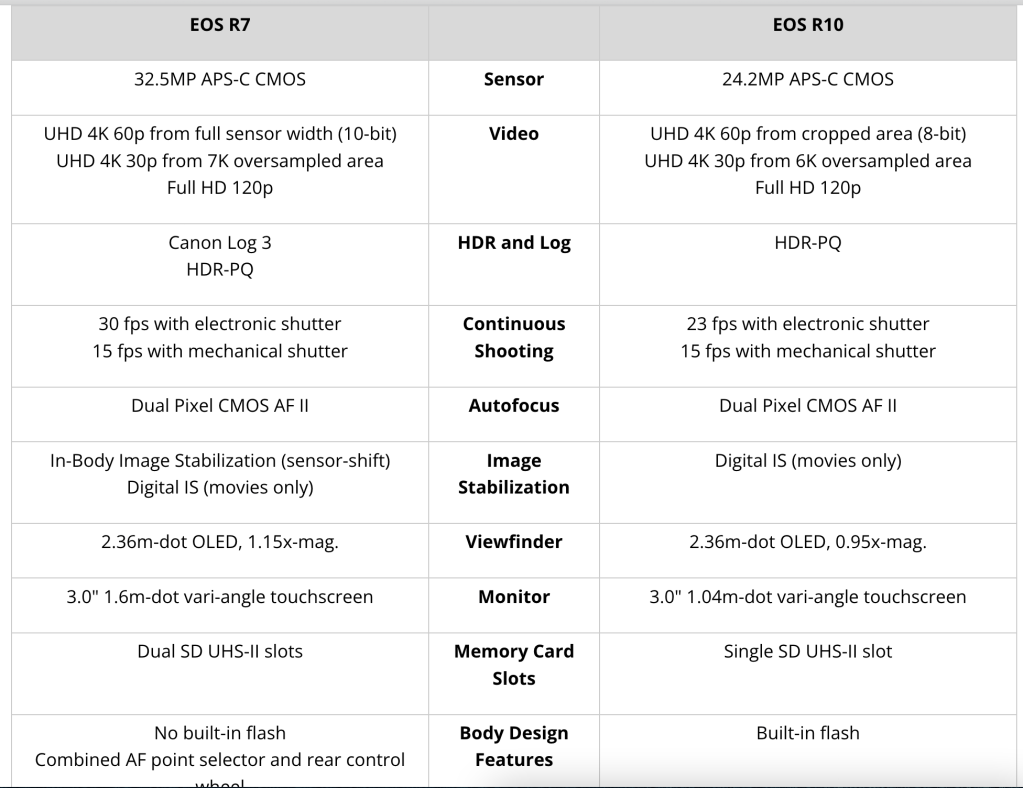
I haven’t had a chance to touch or feel the R7 or R10 yet. The folks at B&H Camera, though, have put together a nice comparison chart.
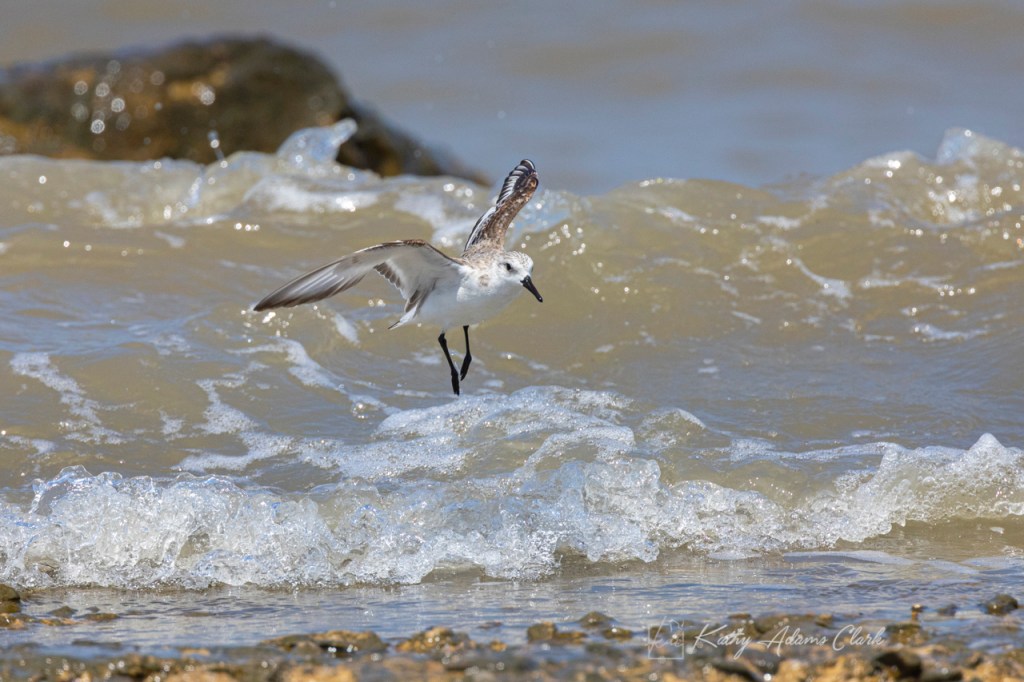
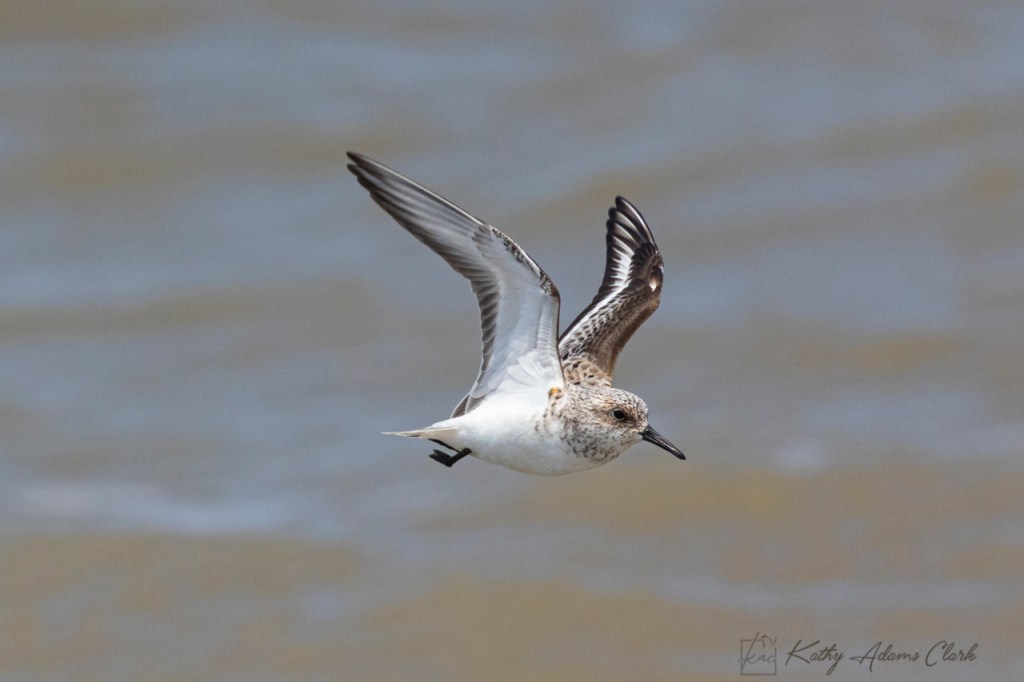
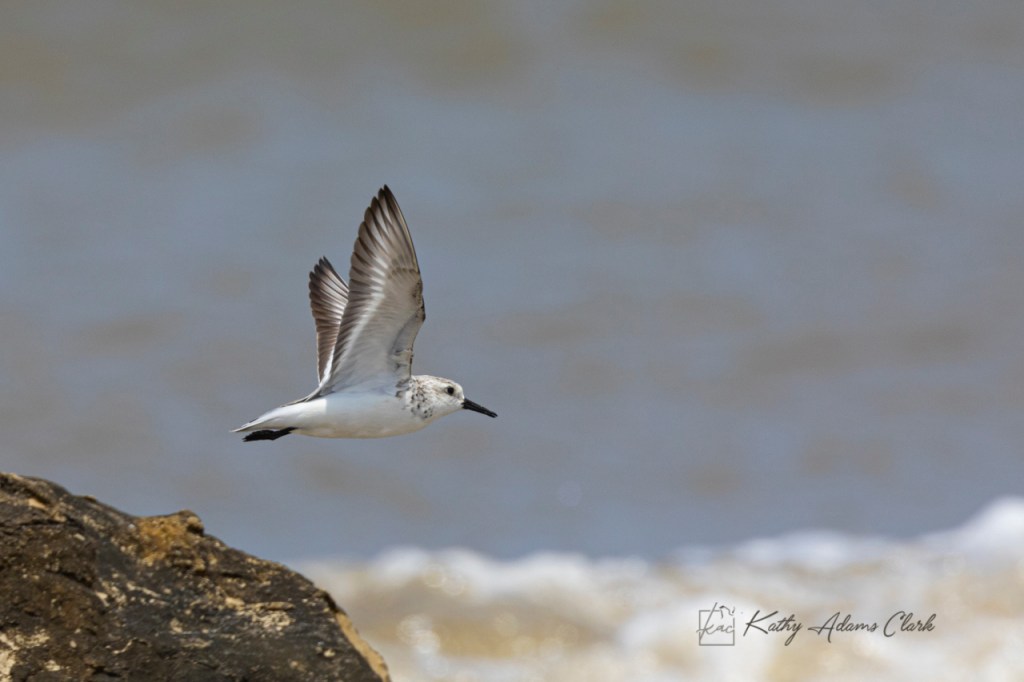
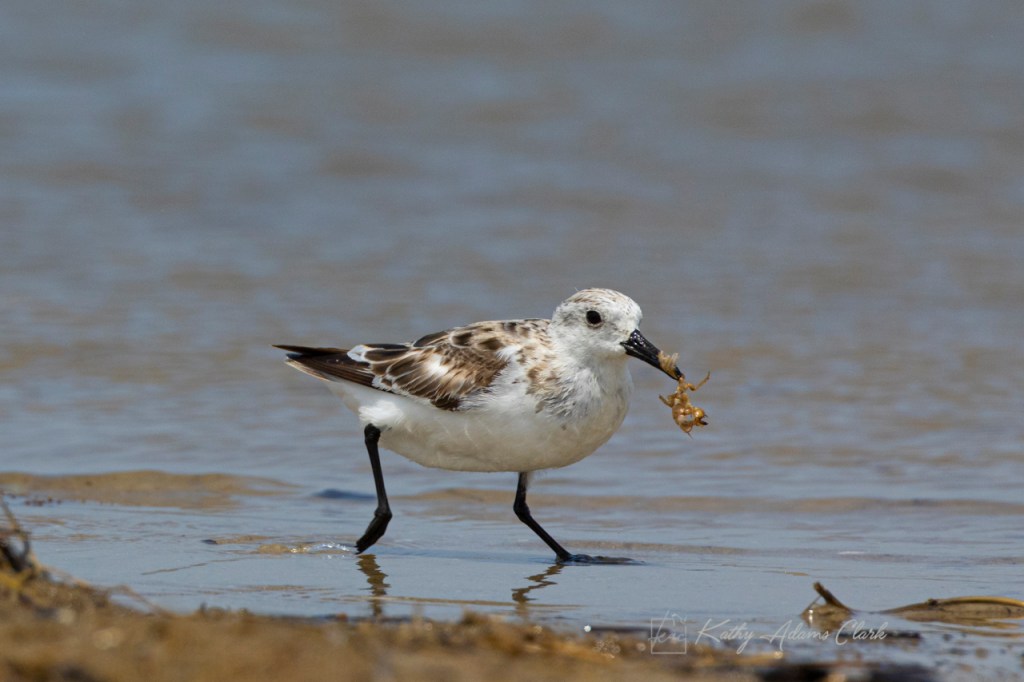
Galveston Featherfest 2022 began for me with a Birds in Flight workshop on East Beach. We found these little sanderlings feeding along the shore. Sanderlings are only 7-inches long and they are in constant motion. You can imagine the fun we had photographing them. Canon R3, 100-500mm RF lens, 1.4x extender, shutter speed in the 1/4000th to 1/8000th range.
Sanderling; Calidris alba; Galveston; Texas; East Beach; SpringSanderling; Calidris alba; Galveston; Texas; East Beach; SpringSanderling; Calidris alba; Galveston; Texas; East Beach; SpringSanderling; Calidris alba; Galveston; Texas; East Beach; Spring
Have you photographed Sanderlings? Are they a challenge?
The Canon EOS-D1X was my workhorse camera for years. It focused fast, held focus, and never hesitated. That what I hoped from the new Canon R3.
So far, my hopes are reality.
I grabbed a couple of hours during sunny weather this weekend to photograph at the Anahuac National Wildlife Refuge. My goal was to photograph ducks and raptors in flight at high shutter speeds.
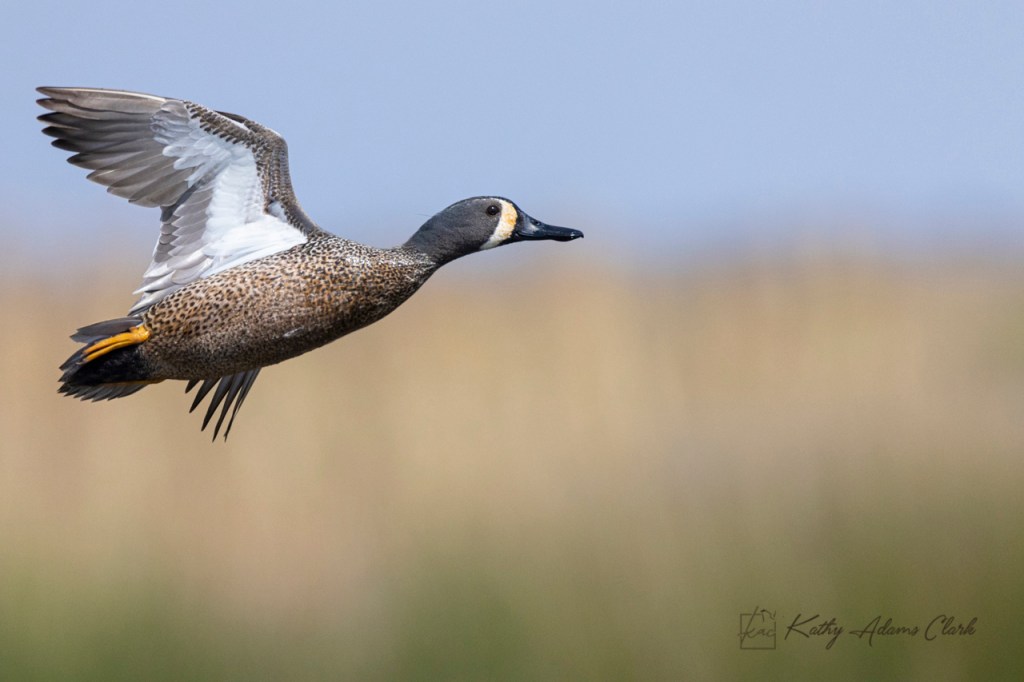
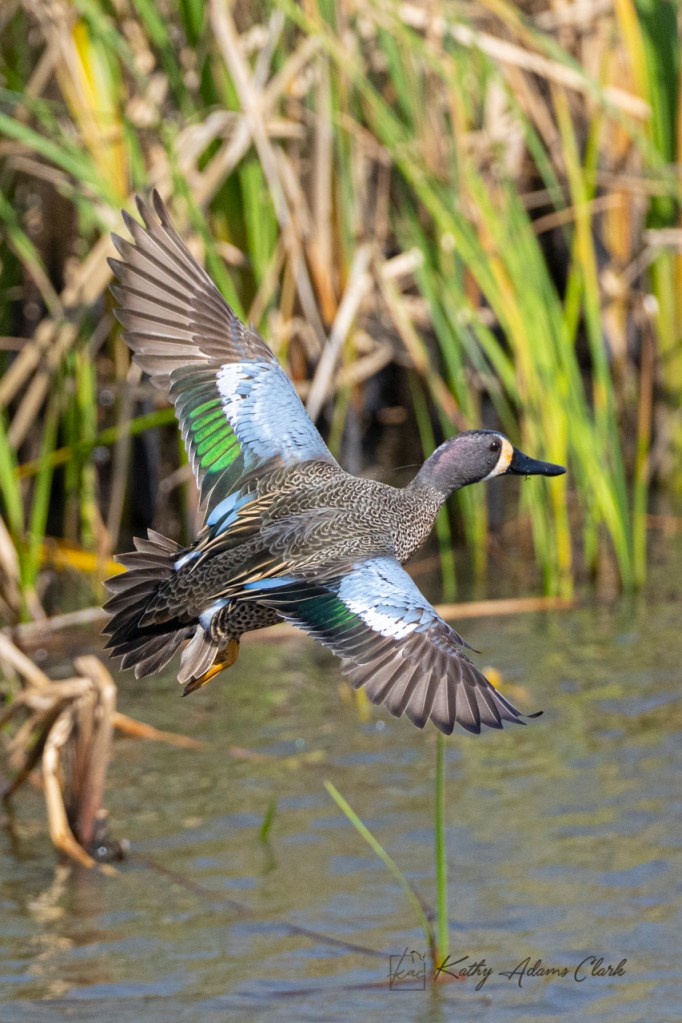
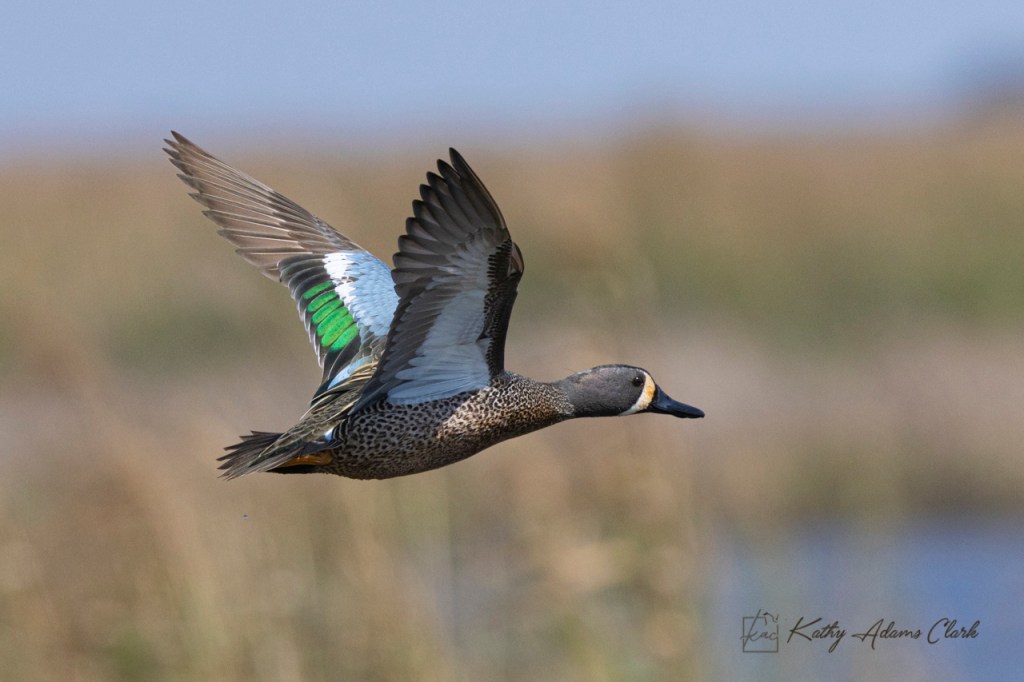
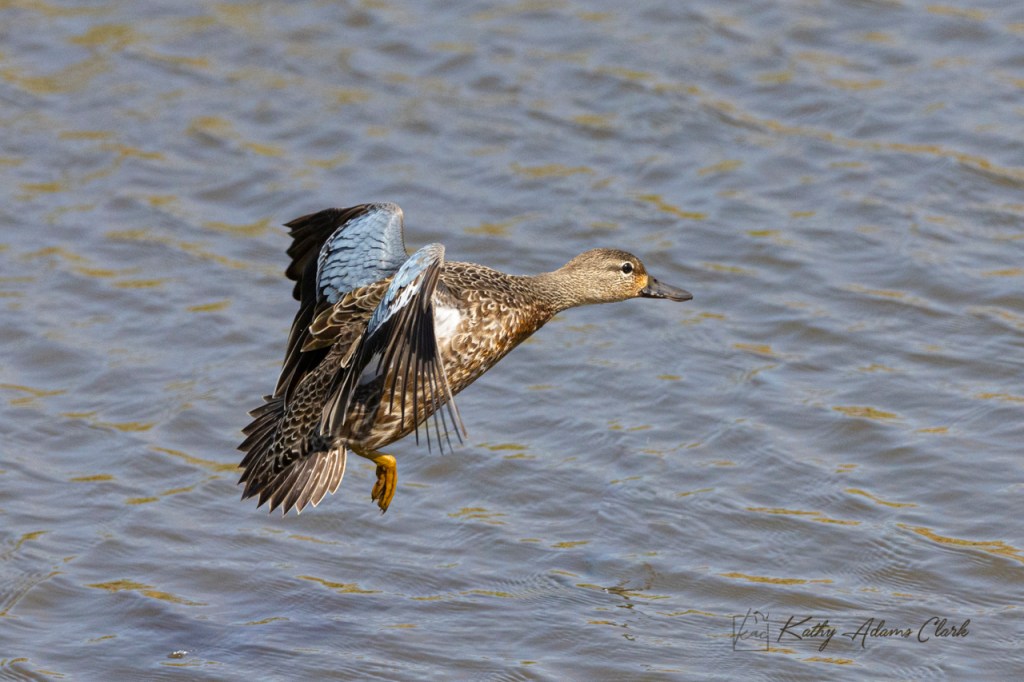
Blue-winged teal in flight. Canon R3, 100-500mm RF lens, 1.4x extender, shutter speed 1/8000thBlue-winged teal flying low along the cattails. The Canon R3 kept focus on the bird and didn’t get distracted by the cattails. (100-500mm RF lens, 1.4x extender, 1/8000th shutter)Blue-winged teal in flight. Same equipment and settings as above.
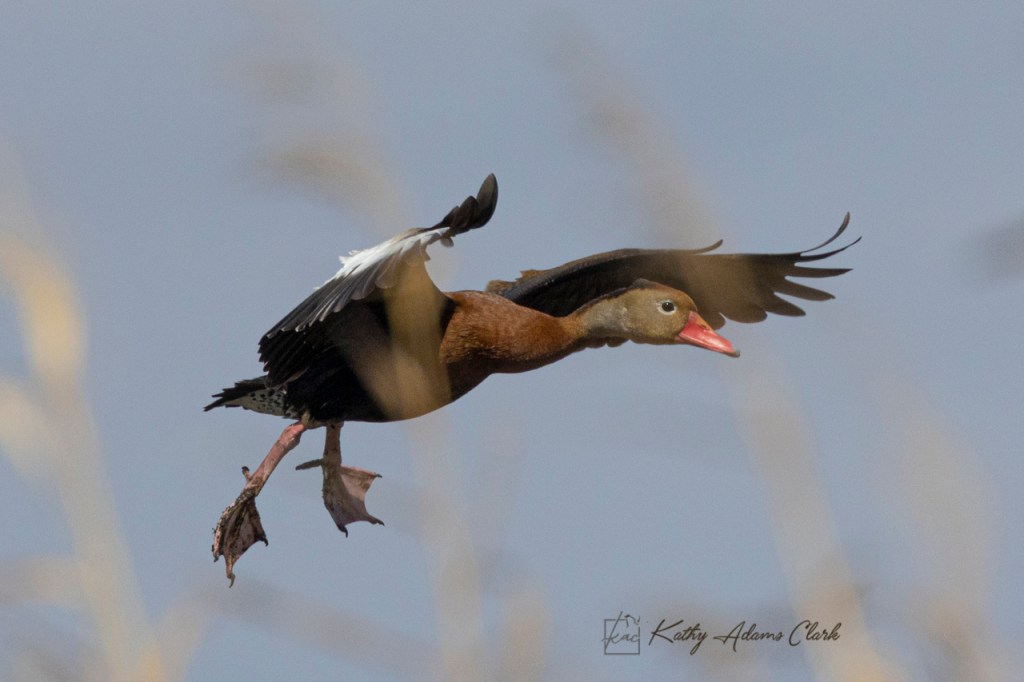
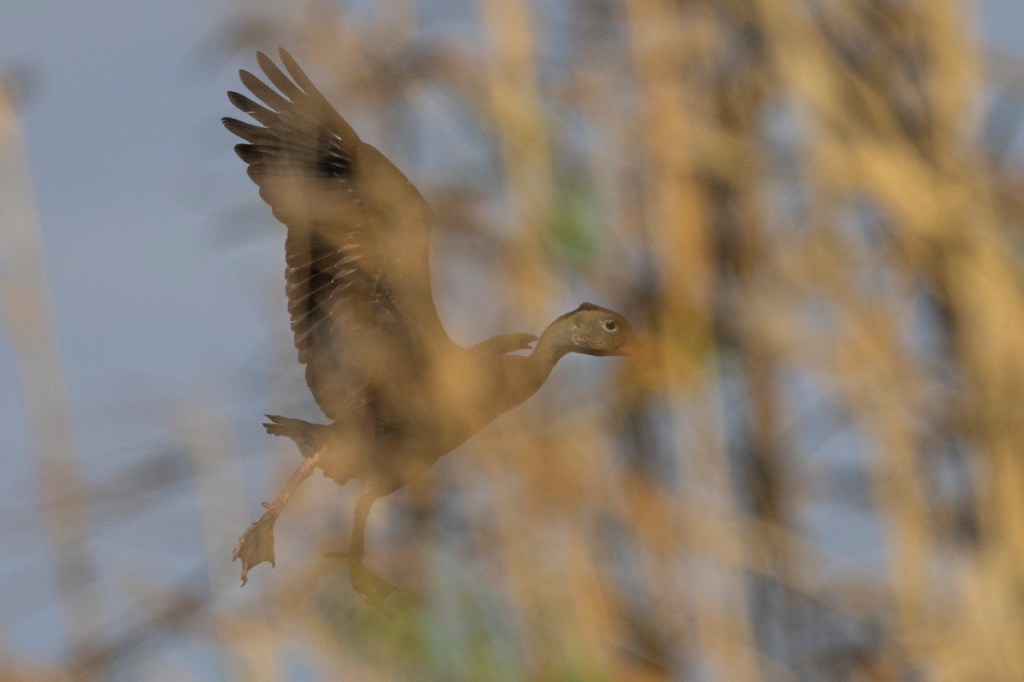
Below is a series of a black-bellied whistling-duck that I tracked across the marsh. The camera is set on large zone autofocus versus a small cluster of focus points.
When the bird flew behind the reeds, the Canon R3 didn’t lose focus. The camera stayed locked on the bird and didn’t get distracted by the brush.
Red-tailed hawk under similar circumstances. Tree limbs come between the bird and me. The Canon R3 doesn’t get distracted by the limbs. It stays focused on the bird.
During my time in the field, I aimed the camera at any bird that flew nearby. I aimed the camera at hawks and vultures in the distance. Not once did it fail to acquire focus on the bird.
One or two times the camera lost focus during a burst but it reaquired focus by the next click of the shutter. I used to see this same thing with the EOS-D1x.
I missed a couple of birds but those were “operator error” versus the Canon R3. The R3 is living up to the hype and I’m a happy photographer!
Female blue-winged teal comes in for a landing.
Please feel free to post questions below. Would you like me to test something during my next outing with the Canon R3?
I always loved my Canon D1X for the way it locked on to birds in flight. The camera did its job and I had to make sure everything else was in sync to get the photo.
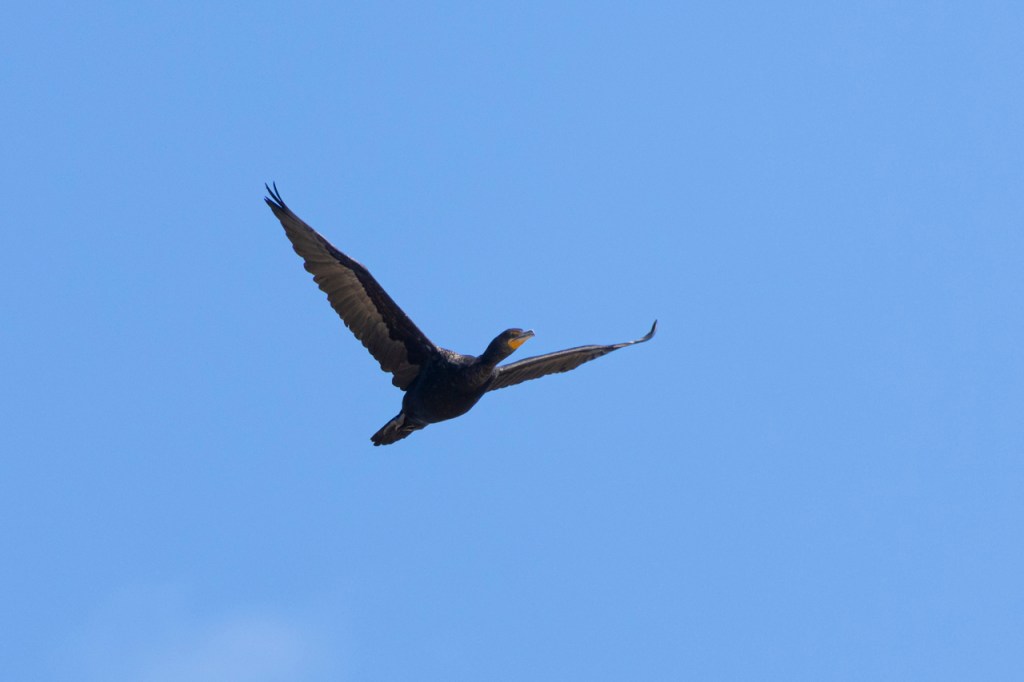
The Canon R3 appears to be meeting those same standards. My test today involved birds flying around a neighborhood lake so not the most dramatic species for photos. Good test subjects, though. Take a look.
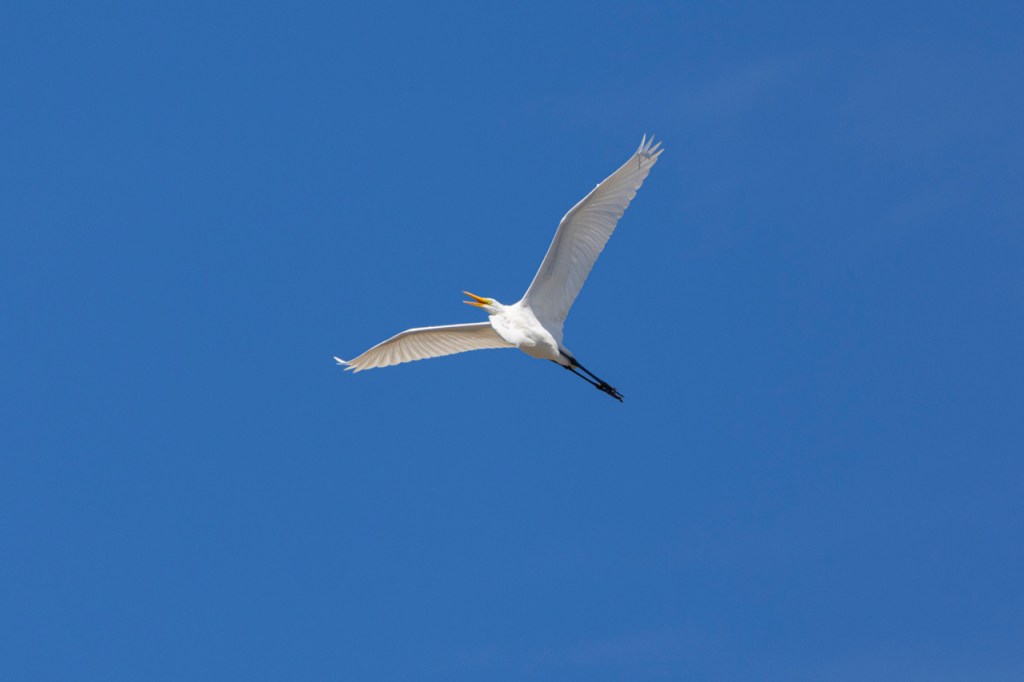
Great egret in flight. 1/1600 shutter at ISO 800. Double-crested cormorant at 1/1600 shutter speed and ISO 2000
In both instances, the R3 didn’t hesitate. It locked on to the bird and held focus while I tracked the subject with the camera. The focus confirmation stayed on the screen. The camera never lost focus or tried to hunt.
Very impressive so far. I’ll try smaller birds next.
Questions or comments please post below. Thanks for reading.
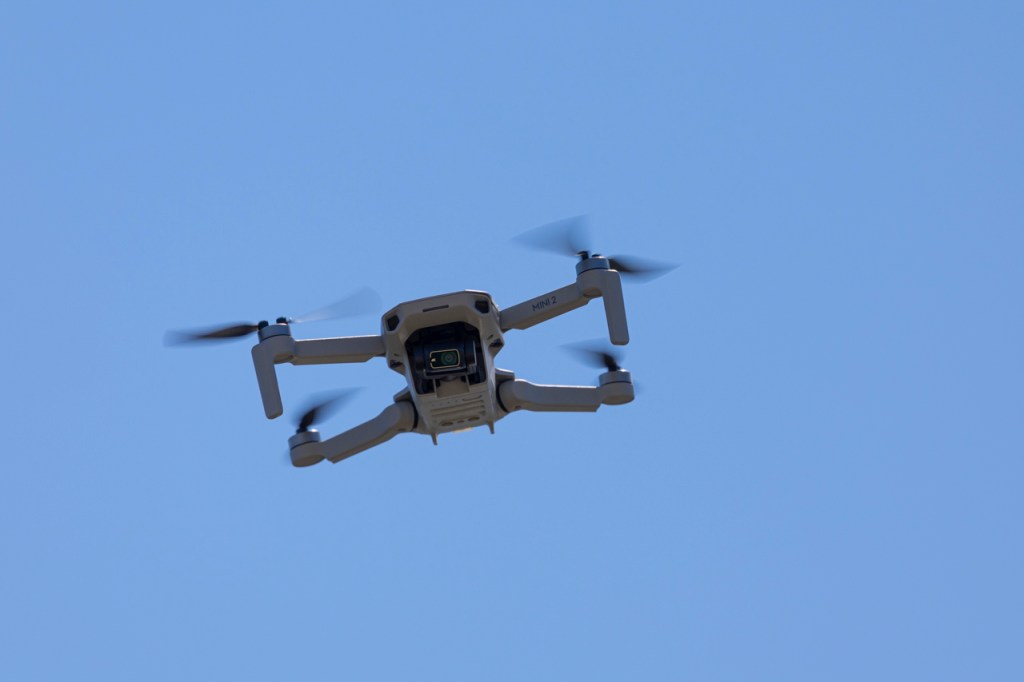
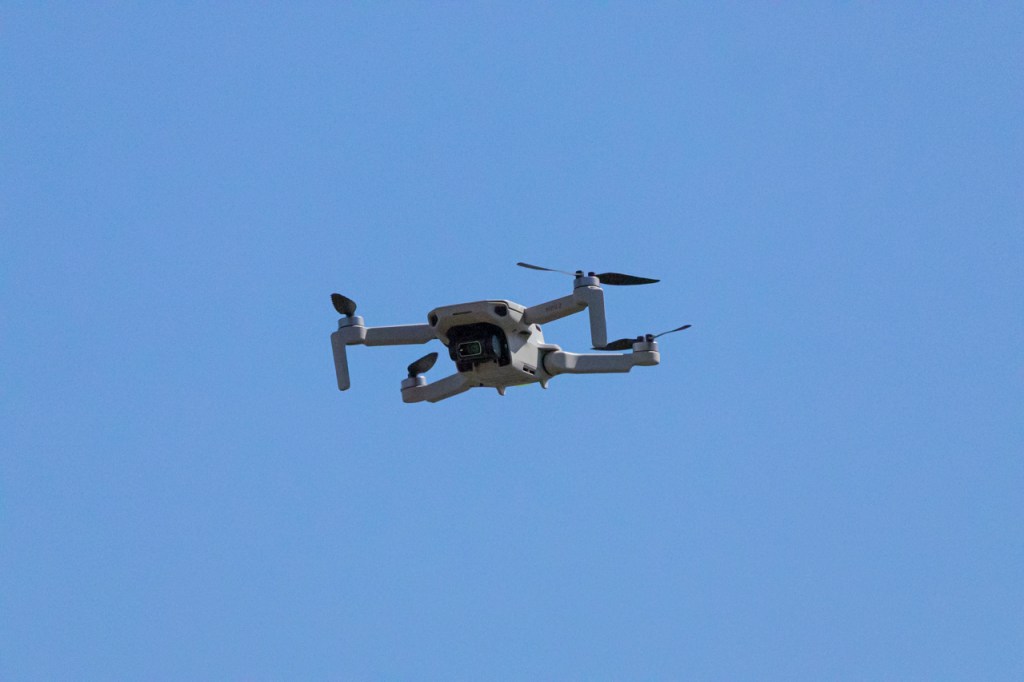
Day 2 with the Canon R3 and I went to a nearby lake to photograph birds in flight. Someone nearby was flying a drone so I took a picture of it. The drone flew over to me and hovered. Photo Opportunity!!
The Canon R3 locked on to the drone without much problem. This photo is 1/1600 shutter with ISO 400. Notice the propellers are blurred.I changed the shutter speed to 1/12,800. Yes, there’s a shutter speed faster than 1/8000 now! Notice the propellers are nearly stopped. ISO 4000 for those interested.I rotated the shutter speed dial to 1/64000. Yes, we have that now! ISO is 20,000 at this point. A bit of noise reduction was needed but not much. Notice that the propeller blades are frozen at this point.
Shutter speeds range from 1/64000 to 30″ seconds on the R3. Life just got a lot more interesting.
After a long wait I finally got my Canon R3. I’ve used the Canon R5 and R6 for the past two years. Use the “search” feature here to read my reviews of those cameras.
The Canon R3 was advertised as a mirrorless equivalent to the Canon D1X. The D1 line and particularly the D1X have been my preferred camera for over 15 years.
This first review of the Canon R3 is with minimal set-up. I took the camera out of the box and set the following menu items: (1) date and time, (2) copyright, (3) Raw, (4) animal eye focus, (5) AF Servo AF Case 2, and (5) High speed release. That’s it! The bare minimum for this first test run.
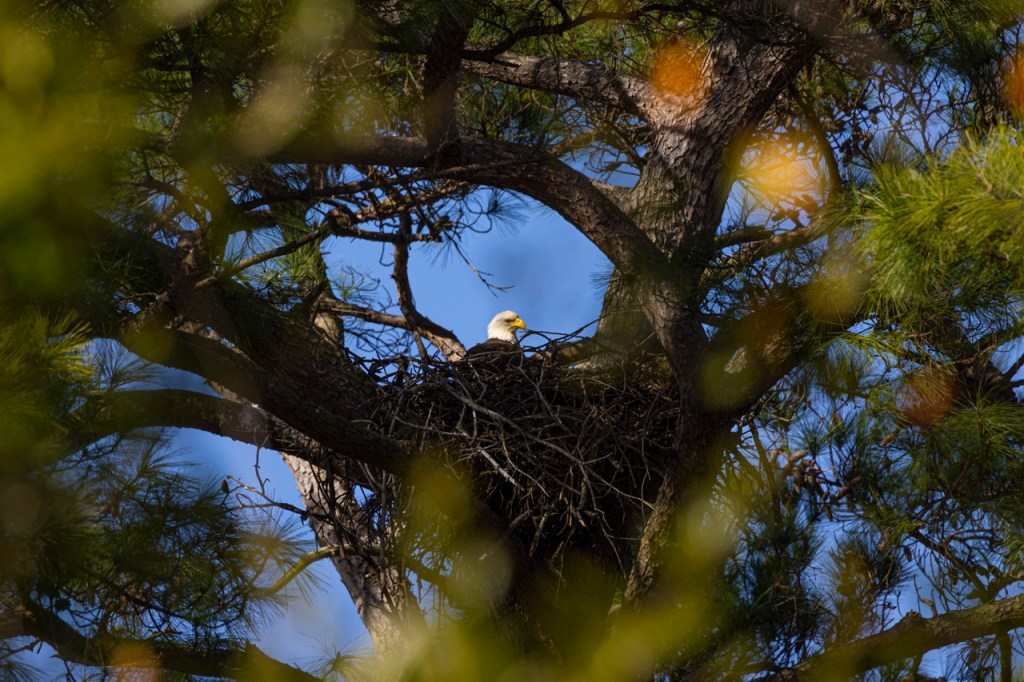
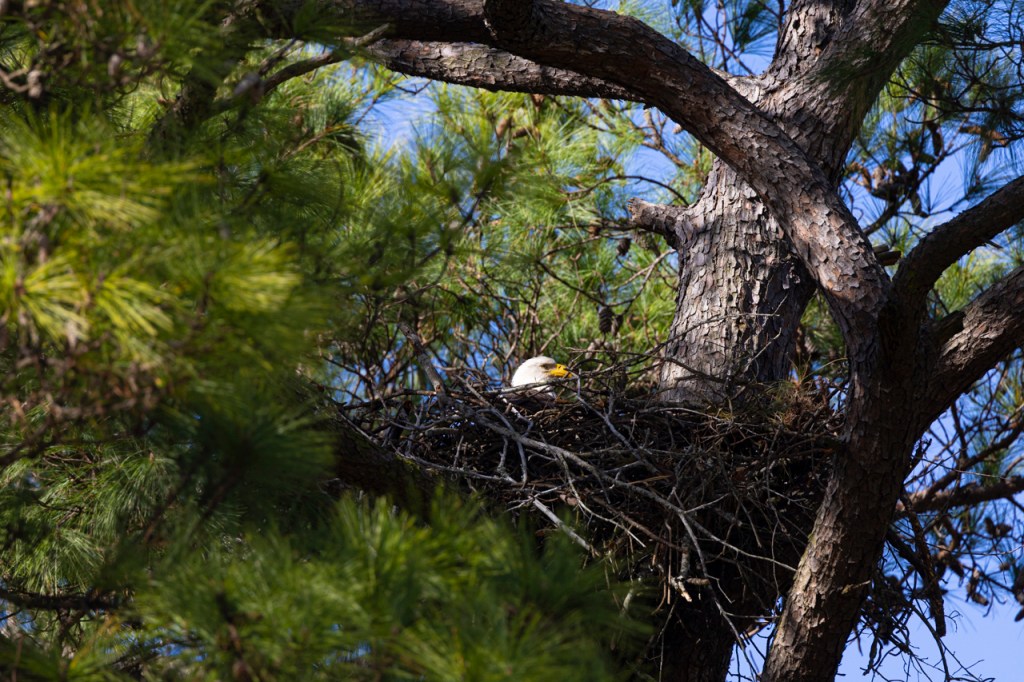
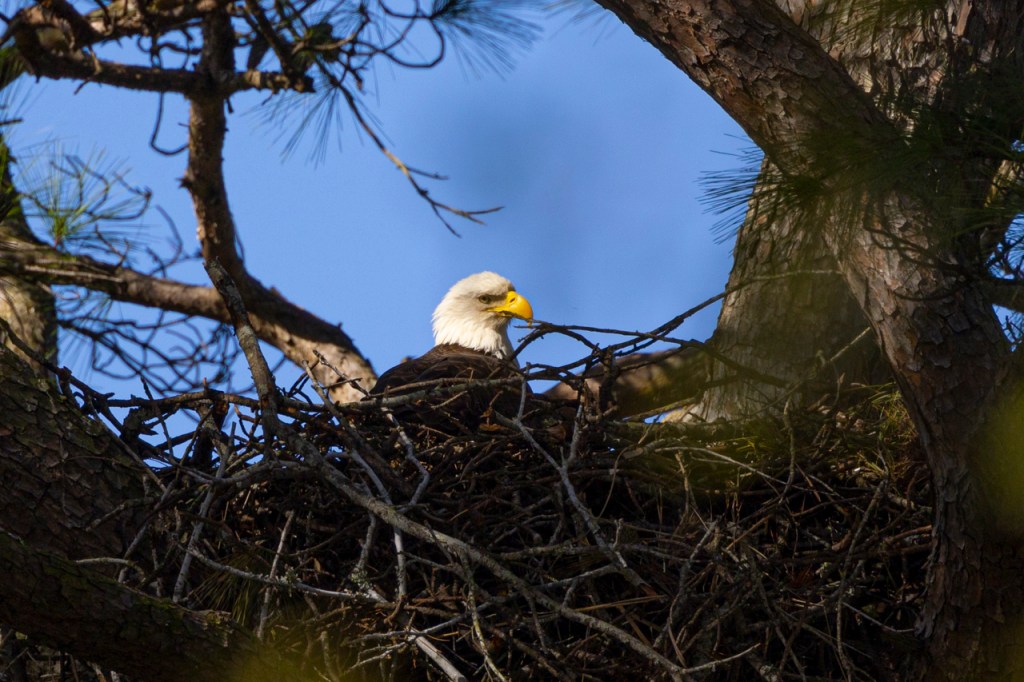
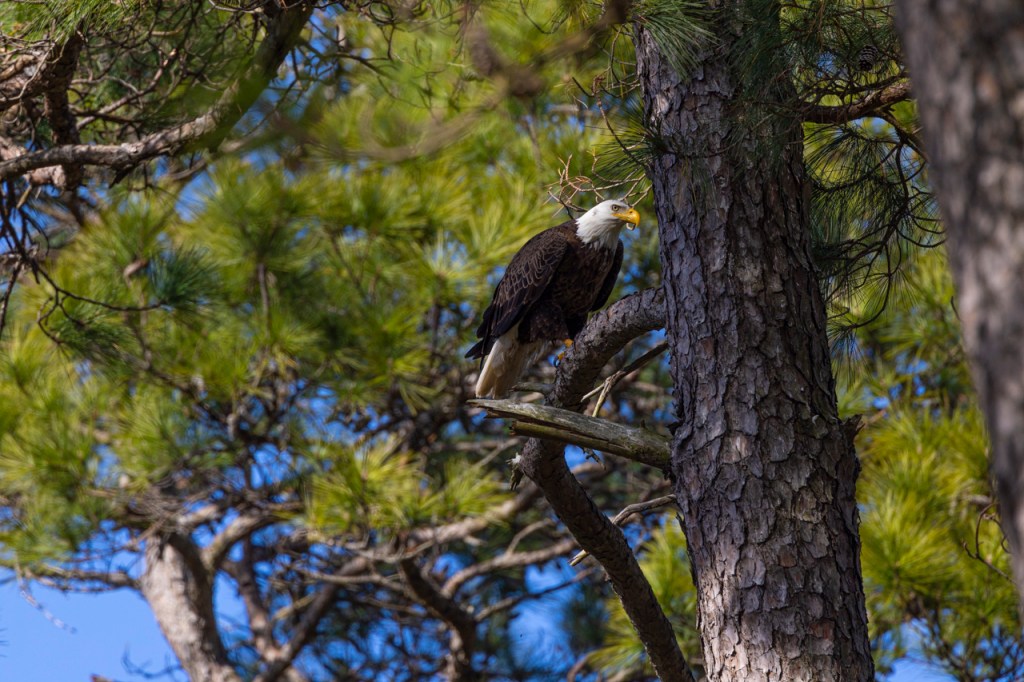
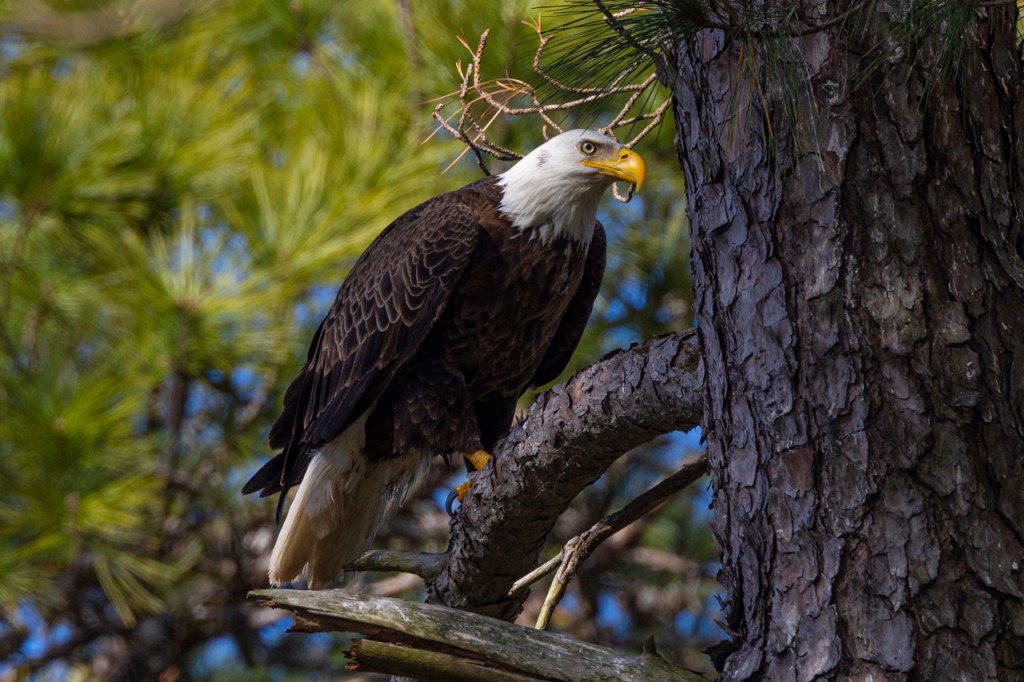
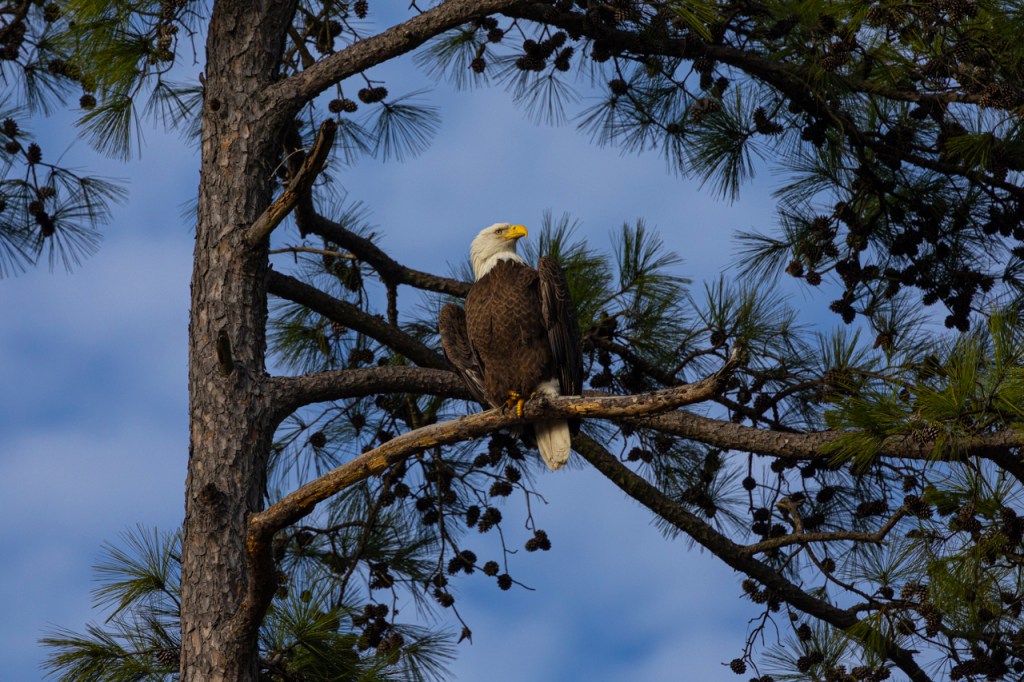
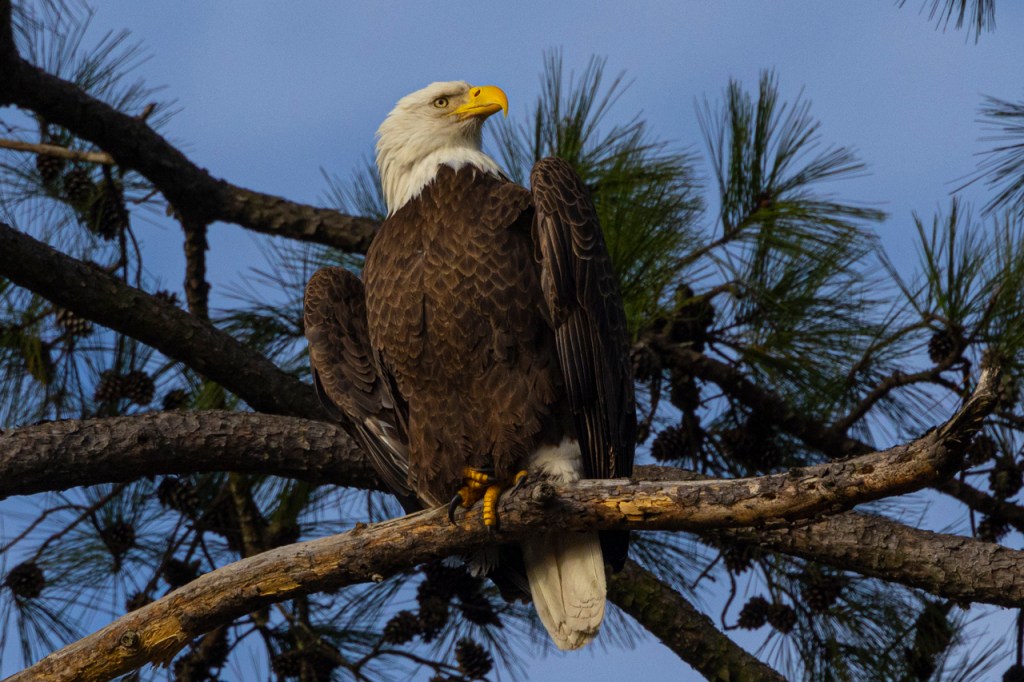
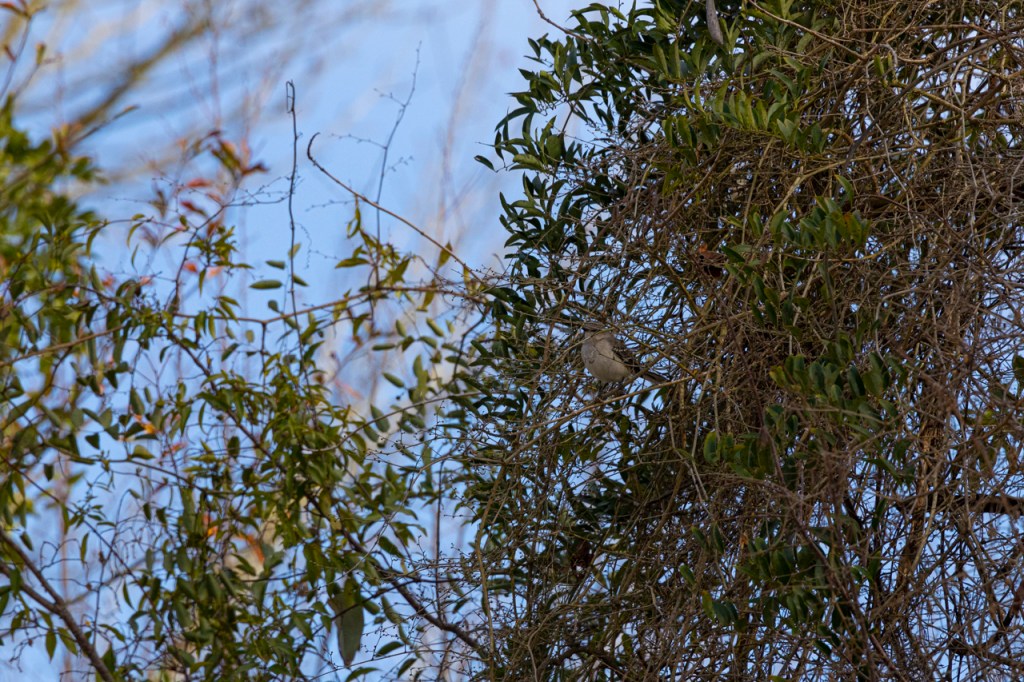
Bald eagle is a nest shooting through trees in the foreground. Handheld Canon 100-500mm lens with a 1.4x extender. One point focusing on the eagle.100% enlargement showing the Canon R3 focused through all the mess on the eagle’s head and produced a sharp photos.I walked closer to the eagle’s nest. R3 focus does not get distracted by the brush.100% crop.Animal eye focus continues to stay with the eagle as it moves around the tree.100% of that image.Viewfinder Simulation allows me to under exposure to maintain the white feathers.100% enlargementThere’s a northern mockingbird in this bush. The Canon R3 locked onto the eye and held focus despite all the tangle of brush in front of the bird. No coaxing on my part. The camera did all the work.Ruby-crowned kinglet is a hyper-active little bird that never sits still. The Canon R3 found the eye and stayed with the bird as long as I could keep the bird in the frame.Uncropped image of a white-throated sparrow in the brush. The Canon R3 found the eye and stayed with the bird. This is an easy one because the sparrow wasn’t very active. The Canon R3 didn’t get distracted by any of the round leaves nearby as we’ve seen with the R5 or R6.There weren’t a lot of flying birds during my test run. The wind was blowing hard and erratic. A few black vultures flew across, though. I raised the Canon R3 and the camera immediately found the bird. No hunting or hesitation. The Canon R3 stayed with the bird as long as I could keep it in the frame.
The Canon R3 works like the Canon D1X! I feel that I finally have a D1X back in my hands but with all the bells-and-whistles of a mirrorless camera.
The Canon R3 is a big camera so it has a different feel in the hand. I’ll write about that in an upcoming post. Stay tuned.
I’ve been asked to compare noise between the R5 and R3. I’ll do that comparison in another post. Keep watch for that one.
The Canon R3 has Eye Control. This is a new feature where the camera uses my eye to determine where to focus in the frame. Can’t wait to explore that feature!
INITIAL IMPRESSION:
The Canon R3 looks and feels like a D1X
Minimal set-up is needed to get this camera up and running. Yea!!
Precise auto focus that allows us to photograph birds deep in the brush with Animal Eye activated.
Birds in flight are tracked on par with the D1X.
Exposure Simulation allows us to over or under exposure to get the picture right in the camera. This is expected in today’s mirrorless cameras.
Stay tuned as I work with the Canon R3.
Ask questions below or suggest items that you’d like to see tested. Thanks for reading!
We learn when we play. We know that from childhood. Kids play and figure out new things. Kids play a game of kickball in the street and learn management skills, communication skills, dexterity, and lots more.
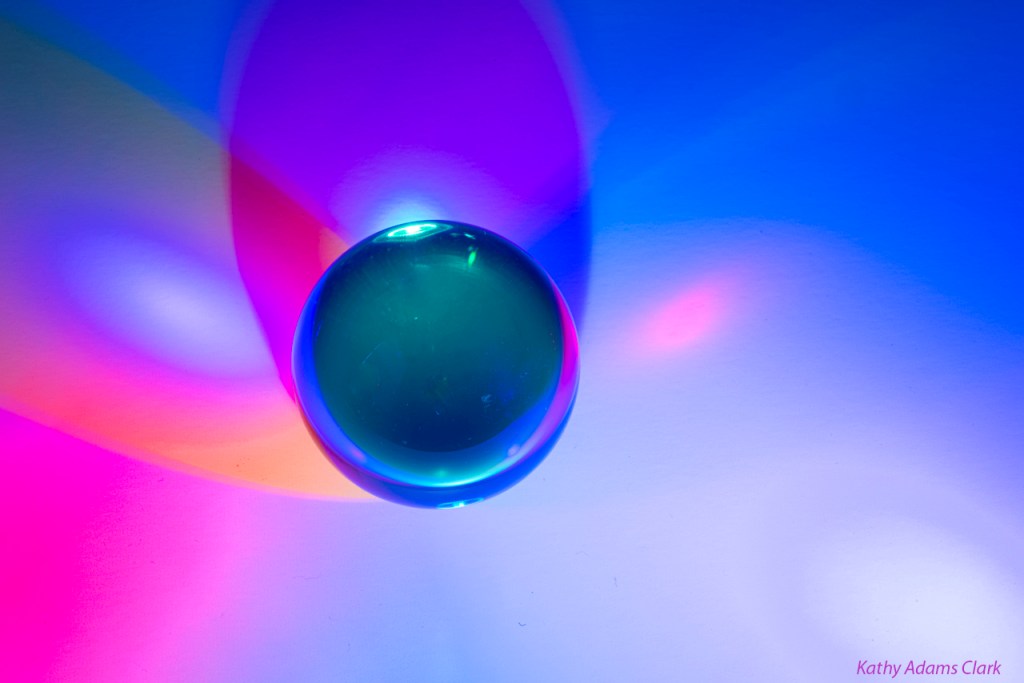
So as a nature photographer, why would I play with colored lights? It’s fun and I might learn something.
There’s this thing in the world called Additive Color. When you shine a colored light on something, the color of the object is altered. You’ve seen this in a stadium watching our favorite band. The different colored spotlights coming from different directions create interesting effects. You’ve seen the same thing at a stage play or opera. Gels are put on the spots to change a scene from dawn to sunset.
We’re taught in grade school that when all the colors are added together we get white. Well, I tried coloring with all the crayons and never got white. That’s because crayons or paint have pigments and subtractive color happens. Mix a lot of colors of paint together and you eventually get black or maybe “yulk.” Pigment doesn’t work the same as light.
Project a blue beam of light over a red beam of light and we get magenta where there’s overlap. Project green beam of light over a red beam of light and we get yellow where there’s overlap. Project that same green beam of light over blue and we get cyan.
Notice that my example uses Red, Green, and Blue. That’s RGB color — one of the choices of a photograph’s color space. You know RGB color from your computer or the back of your camera.
Additive Color is used in portrait photography but not often in nature photography.
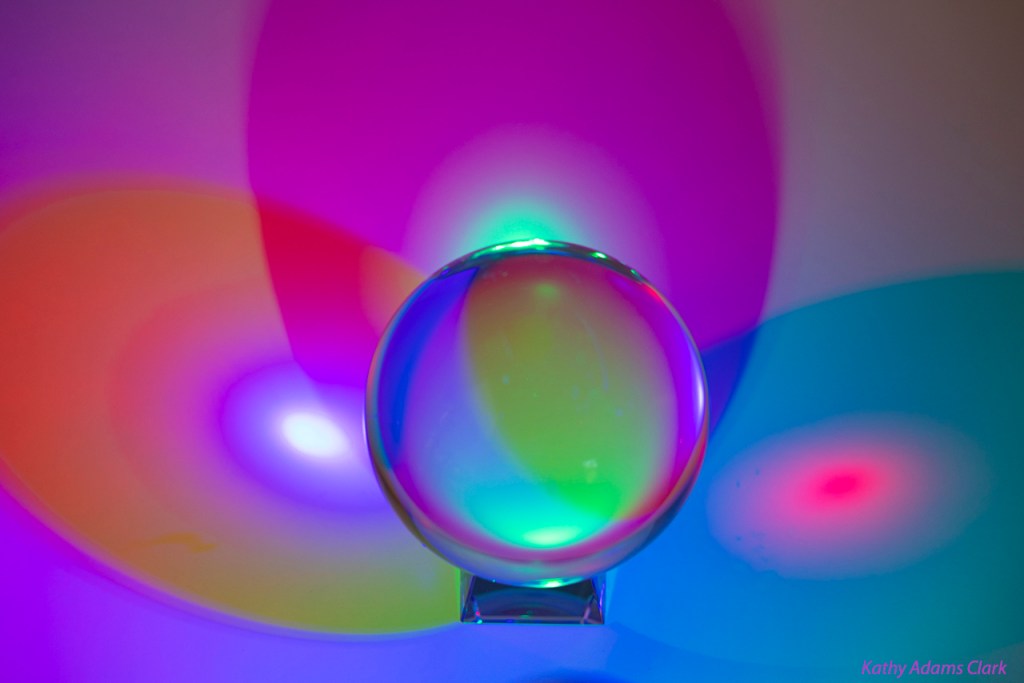
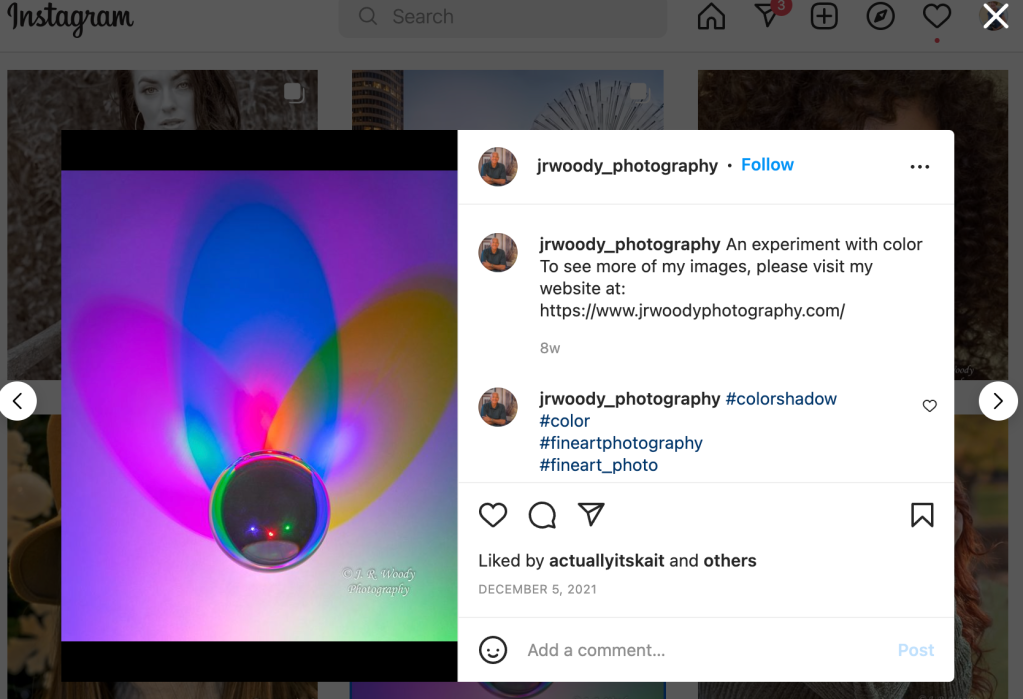
Background (Skip ahead if you’re not interested)– I’m a “mentor” to a photography group with some really advanced photographers. There are four “mentors” and we give the photographers assignments at the beginning of the year. That’s 12 total assignments for the year. My January 2022 assignment was “Additive Color.” I didn’t give any explanation or help. Just two words. One of the photographers, James Woody, created a photograph for the assignment of red, green, and blue lights pointing at a crystal ball. You might know that I love crystal ball photography so I had to try my hand at recreating James’s photo.
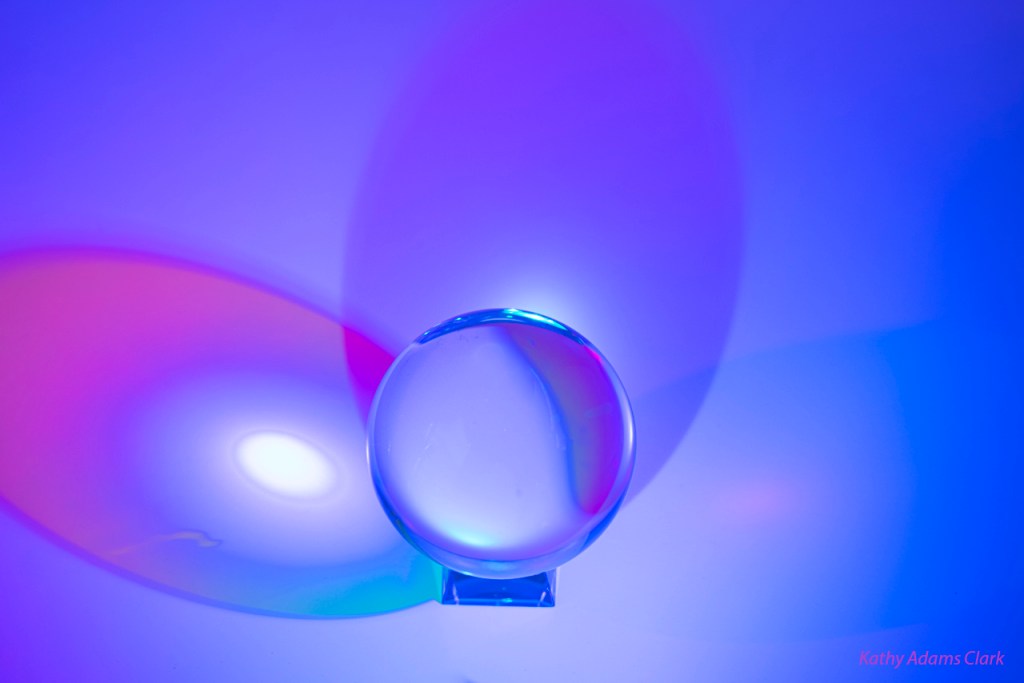
This is the photo James Woody created.My photo of a crystal ball with red light from the left, green light in the middle, and blue light on the right.Just the blue and green lights. Notice the flaw from the crystal ball in the left shadow. Different camera angle. Another camera angle.
Thanks to James Woody for the inspiration for these photos. Visit James’ website to get some inspiration of your own. www.jrwoodyphotography.com
In Costa Rica, I think you mentioned something about “camera insurance”. Can you please let me know if I should and where I should get insurance for my camera gear?
Darla
I’m a member of North American Nature Photography Association. That organization offers equipment insurance through Rand Insurance. The people at Rand are super easy to work with. I’ve really liked my dealings with them. I filed a claim once and had my replacement money in a couple of days. The folks at Rand knew exactly what lens I was talking about and no need to explain its value.
NANPA also offers travel insurance and health insurance. Lots of other member benefits including vendor discounts, field trips, webinars, online meetings, and much more. Being part of the organization is well worth your investment.
One of my participants, Mark Doing, on the November photo tour to Costa Rica asked if I’d like to use his Canon RF 800mm f/11 lens. This is a relatively new lens in the Canon RF line-up so I jumped at the chance.
Baltimore oriole photographed with the Canon RF 800mm lens. UncroppedNorthern jacana cropped photographed with the Canon RF800mmNorthern jacana full image photographed with the Canon RF 800mm
Above shows an image taken with the Canon RF 800mm lens. Notice the detail in the shadows and the sharpness around the bird’s eye.
Baltimore oriole photographed with the Canon RF 800mm and croppedBaltimore oriole uncropped with the Canon RF 800mm lensBaltimore oriole photographed with the Canon RF 100-500mm lens and croppedBaltimore oriole uncropped photographed with the Canon RF 100-500mm lens
Above is a comparison of an image photographed at the same time with the higher priced Canon RF 100-500mm lens. Notice the detail in the shadows and the sharpness around the bird’s eye.
Kathy Adams Clark using the Canon 800mm RF lens. (Photo: Willy Alfaro)Kathy Adams Clark using the Canon 800mm RF lens. (Photo: Willy Alfaro)
Canon advertises this lens as its “first compact and lightweight 800mm super telephoto lens in the RF lineup.” The lens has image stabilization that provides up “to 4 stops of shake correction” for nice hand-held images. The lens also takes the RF 1.4x teleconverter. That would be 1120mm!
The lens does not focus close like the RF 100-500mm. It only focuses to 19.69ft, which is pretty far away.
The lens is 13.85-inches long with the lens hood. Yet, it only weighs 2.77-pounds. Cost $899.
As a comparison, the RF 100-500mm lens focuses to 3.94-feet, extends to 11.71-inches, and weighs 3-pounds. Cost $2799.
I’d love to work with this lens for a longer time. My short experience with it, though, tells me that this is a quality lens. The price is nice, too.
Bokeh between the Canon RF 800mm and the Canon RF 100-500mm? Look below. Pretty sweet with both lenses.
Canon RF 100-500mm lensCanon RF 800mm lens
Have you used the Canon RF 800mm? Opinion and comments below would be nice. Thanks for reading.